
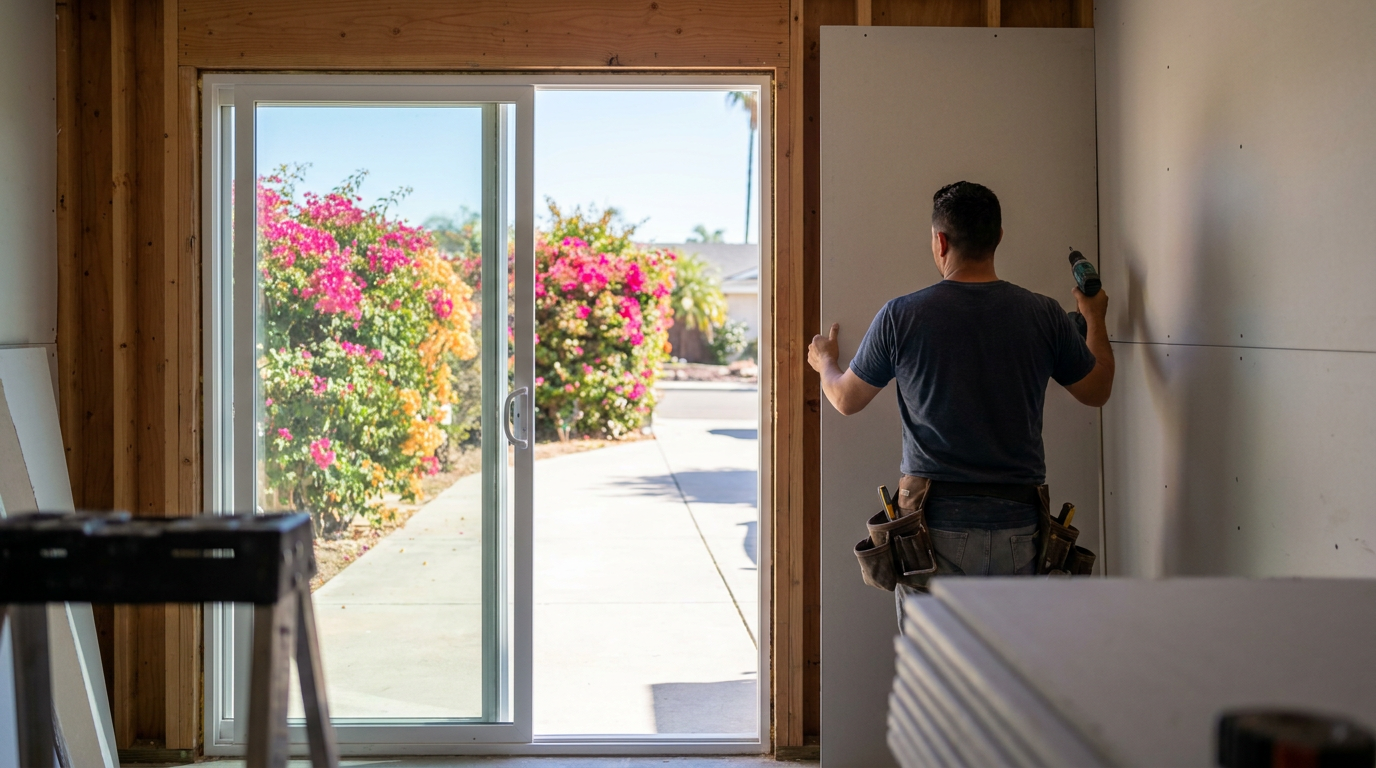
Converting a garage into a legal accessory dwelling unit (ADU) in Southern California typically costs between $90,000 and $165,000 for a standard 400-square-foot two-car garage. While basic cosmetic conversions can land on the lower end of that range, complex structural enhancements, sewer lateral upgrades, and separate utility metering push expenses higher. Homeowners across the San Gabriel Valley, Inland Empire, and Coachella Valley can expect average construction costs of $225 to $400 per square foot for a fully permitted studio or one-bedroom rental unit.
Breakdown of Garage Conversion Costs in SoCal
To accurately budget for converting a garage into a rental unit, you must break down the project into soft costs (design and permits) and hard costs (construction and trades). Below is an itemized breakdown of realistic expenses for a standard 20x20 foot (400 sq. ft.) garage conversion in cities like Covina, Ontario, or Riverside:
- Architectural Plans & Engineering: $4,500 – $9,000. Includes structural calculations, title 24 energy compliance reports, and site plan drafting required by municipal building departments.
- City Permits & Plan Check Fees: $2,500 – $6,000. Under California law, cities cannot charge impact fees on ADUs under 750 square feet, which saves property owners thousands of dollars.
- Foundation & Framing Work: $8,000 – $18,000. Involves pouring concrete to level sloping garage floors, framing out closet walls, framing window openings, and replacing the garage door with a structural wall.
- Plumbing & Sewer Hookup: $12,000 – $22,000. Adding a kitchen sink, shower, toilet, and water heater requires cutting into the concrete slab and running main lines to the sewer lateral.
- Electrical Upgrades & Subpanel: $8,000 – $16,000. Most older garages have single 15-amp circuits. Conversions usually require a dedicated 100-amp subpanel, new wiring, recessed lighting, and dedicated lines for heavy appliances.
- HVAC System: $3,500 – $7,000. Ductless mini-split heat pump systems are standard for ADUs, offering efficient heating and cooling for single-zone or dual-zone layouts.
- Insulation, Drywall, & Roofing: $10,000 – $18,000. California Title 24 compliance requires high-efficiency wall and ceiling insulation, firewall drywall where adjacent to property lines, and roof repairs or solar panels if mandated.
- Interior Finishes (Kitchen, Bath, Flooring): $20,000 – $40,000. Includes cabinetry, quartz or granite countertops, appliances, bathroom tile, vanity, vinyl plank flooring, doors, and interior paint.
California ADU Laws: Permitting and Regulatory Mandates
California has passed sweeping legislation to streamline ADU development. State statutes (including Assembly Bills 68, 881, and Senate Bill 9 principles) set nationwide benchmarks for property owner rights. Municipalities such as West Covina, Pomona, Glendora, Upland, and Rancho Cucamonga must adhere to strict guidelines when reviewing garage conversion applications:
- Mandatory 60-Day Review: Local planning departments must approve or deny completed ADU permit applications within 60 days of submittal.
- No Replacement Parking Required: If you convert an attached or detached garage into an ADU, local jurisdiction laws prohibit cities from requiring replacement off-street parking if the property sits within one-half mile of public transit.
- Zero Setback Requirements for Conversions: Existing garage footprints are grandfathered. You do not need to meet standard rear or side setback rules if you build within the existing dimensions of an permitted garage.
- Owner-Occupancy Waivers: Under current state law, local jurisdictions cannot enforce owner-occupancy requirements on standard ADUs, allowing real estate investors to rent out both the primary house and the converted ADU simultaneously.
Rental Income and ROI Potential Across Regional Markets
The return on investment for converting a garage into a rental unit in Southern California depends heavily on your local micro-market. Rental rates for a 400-square-foot studio or one-bedroom ADU vary across our primary service regions:
San Gabriel Valley (Covina, West Covina, Glendora, Pomona)
Studio and one-bedroom ADUs in the San Gabriel Valley command rents ranging from $1,750 to $2,300 per month. A $120,000 conversion yielding $2,000 in monthly gross income generates $24,000 annually—producing a gross cash-on-cash return of 20% before operating expenses, paying for itself in approximately 5 to 6 years.
Inland Empire (Ontario, Upland, Rancho Cucamonga, Riverside)
In the Inland Empire, converted ADUs rent for $1,600 to $2,100 per month. Strong job growth in logistics, medical centers, and universities maintains steady tenant demand for self-contained, high-quality studio spaces.
Coachella Valley (Palm Springs, Cathedral City, Indio)
Long-term ADU rentals in the Coachella Valley yield $1,500 to $2,000 per month. Property owners evaluating short-term vacation rentals must carefully review municipal codes, as cities like Palm Springs enforce strict zoning limits and permitting caps on short-term rentals, making long-term residential leases a more predictable financial path.
Hidden Costs to Watch Out For
Unforeseen project expenses can alter your financial pro forma if you do not account for them early in design planning:
- Main Electrical Service Upgrades: If your main property service panel is only 100 amps, your local utility provider (such as Southern California Edison) may require an upgrade to a 200-amp panel, costing an additional $3,000 to $6,000.
- Sub-Metering vs. RUBS: Installing a separate electric or gas meter requires utility approval and extra infrastructure costs ($2,500–$5,000). Alternatively, owners can use a Ratio Utility Billing System (RUBS) or include utilities in the monthly rent.
- Property Tax Adjustments: Converting a garage will trigger a reassessment of the new square footage created, adding tax value based on construction cost. However, under California Proposition 13 guidelines, the existing primary residence is not re-evaluated or reassessed.
Maximizing Your Investment with Professional Management
Building an ADU is only the first step; operating it effectively protects your capital asset. Managing a multi-unit single-family parcel presents unique tenant relations dynamics, separate sub-metering setups, and strict lease agreements. Bright Path Property Management assists property owners through the entire lifecycle of rental operations—offering expert guidance on market pricing, qualified tenant vetting, and seamless property management services. When your project is complete, talk to our team to streamline your ongoing rental management and protect your property's value.
Disclaimer: The financial estimates, regulatory details, and tax principles outlined in this article are provided for informational purposes only and do not constitute legal, tax, or engineering advice. Local zoning codes, utility provider regulations, and construction pricing vary by municipality. Consult licensed contractors, certified accountants, and legal professionals before beginning construction.