
Owners of small apartment buildings usually discover the same thing: the property does not fail because of one big problem. It underperforms because of a dozen small systems that were never put in place.
The renewal calendar is the whole game
If six leases in a twelve-unit building expire in the same 60 days, you have engineered a vacancy crisis. Professional operators deliberately stagger expirations, start renewal outreach 90 days out, and treat a renewal as cheaper than a turn every single time.
Turnovers should be scheduled, not reacted to
Paint, flooring, cleaning, and punch work should be booked before keys come back, with a standing scope and known per-unit budget. Buildings that treat every turn as a custom project lose weeks of rent to scheduling gaps.
Compliance is not optional or intuitive
- AB 1482 rent caps and just-cause requirements where applicable
- Security deposit limits and itemized return timelines
- Habitability and timely repair obligations
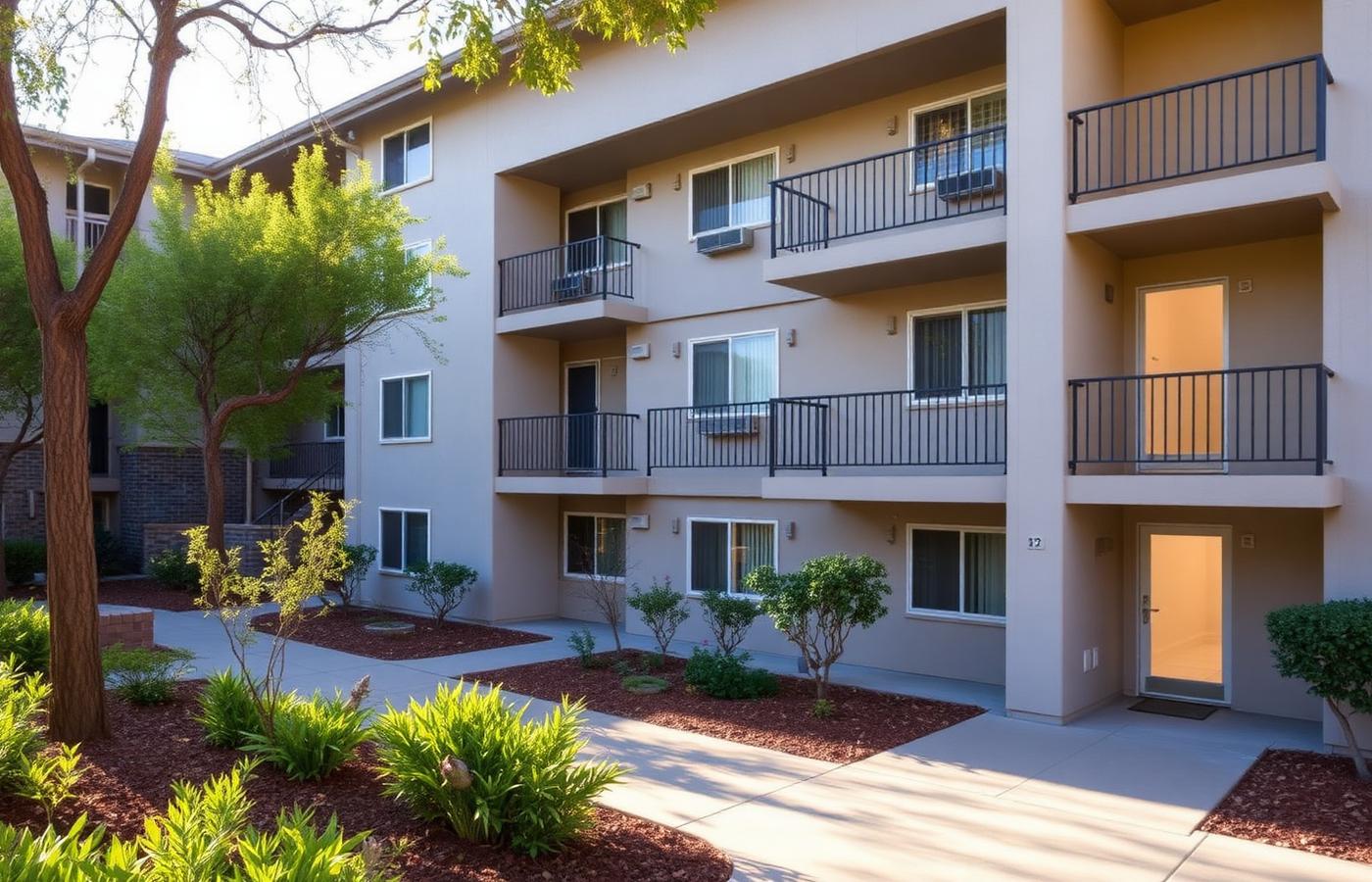
- SB 721 balcony and elevated element inspections on qualifying buildings
- Correct notice forms, service methods, and cure periods
One mishandled notice can cost more than a year of management fees.
Vendor leverage is real money
Recurring volume changes what plumbers, roofers, and turnover crews charge, and it changes how fast they show up.
Reporting owners can act on
Rent roll, delinquency aging, occupancy trend, maintenance spend per unit, and NOI. Those five numbers tell you whether the building is improving or quietly sliding.
We manage more than single-family homes
Bright Path manages apartment buildings, multi-unit properties, mixed-use, retail, and office alongside our single-family portfolio — with an in-house construction division for turnovers and capital projects.