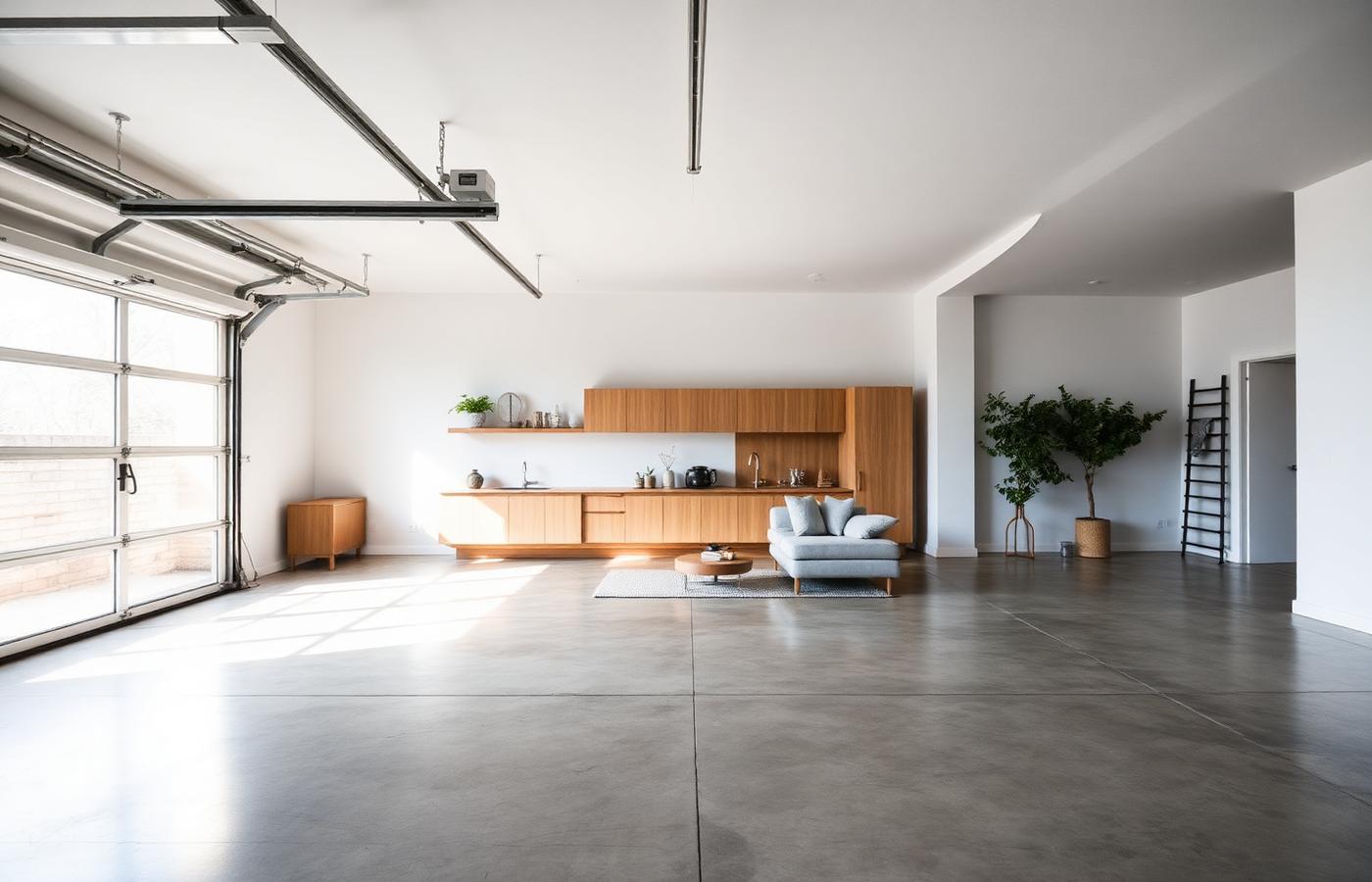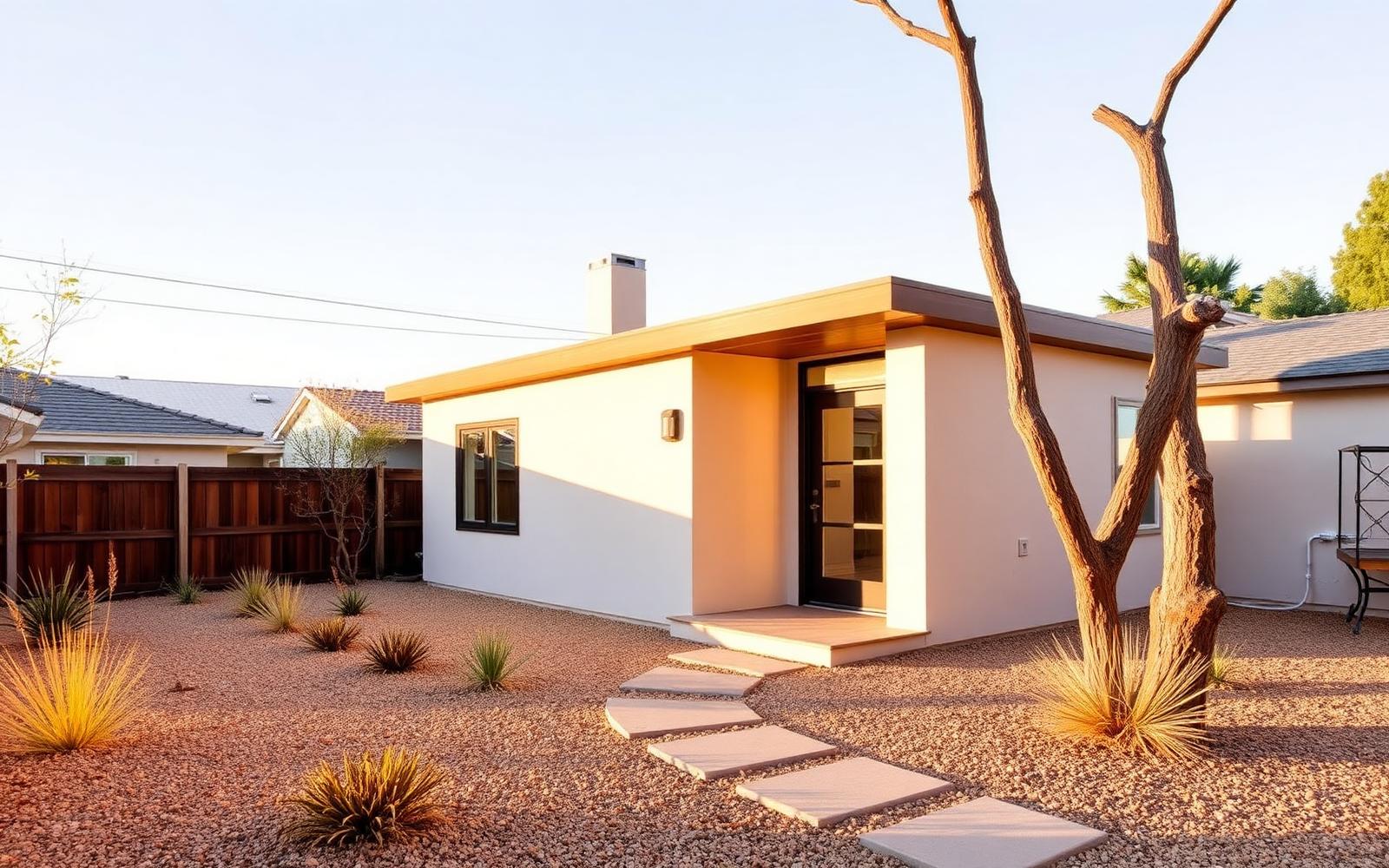
Southern California homeowners keep asking the same question: what is the best way to add real income to a portfolio when purchase prices and interest rates both stay high? For a large number of owners, the answer is not buying another property. It is building on the land they already own.
The core advantage: no acquisition cost
When you buy a rental property, you pay for the land, the structure, closing costs, and financing on the whole package. When you build an accessory dwelling unit, you already own the land. You are paying only for construction. That single difference is why ADU returns often beat a comparable rental purchase.
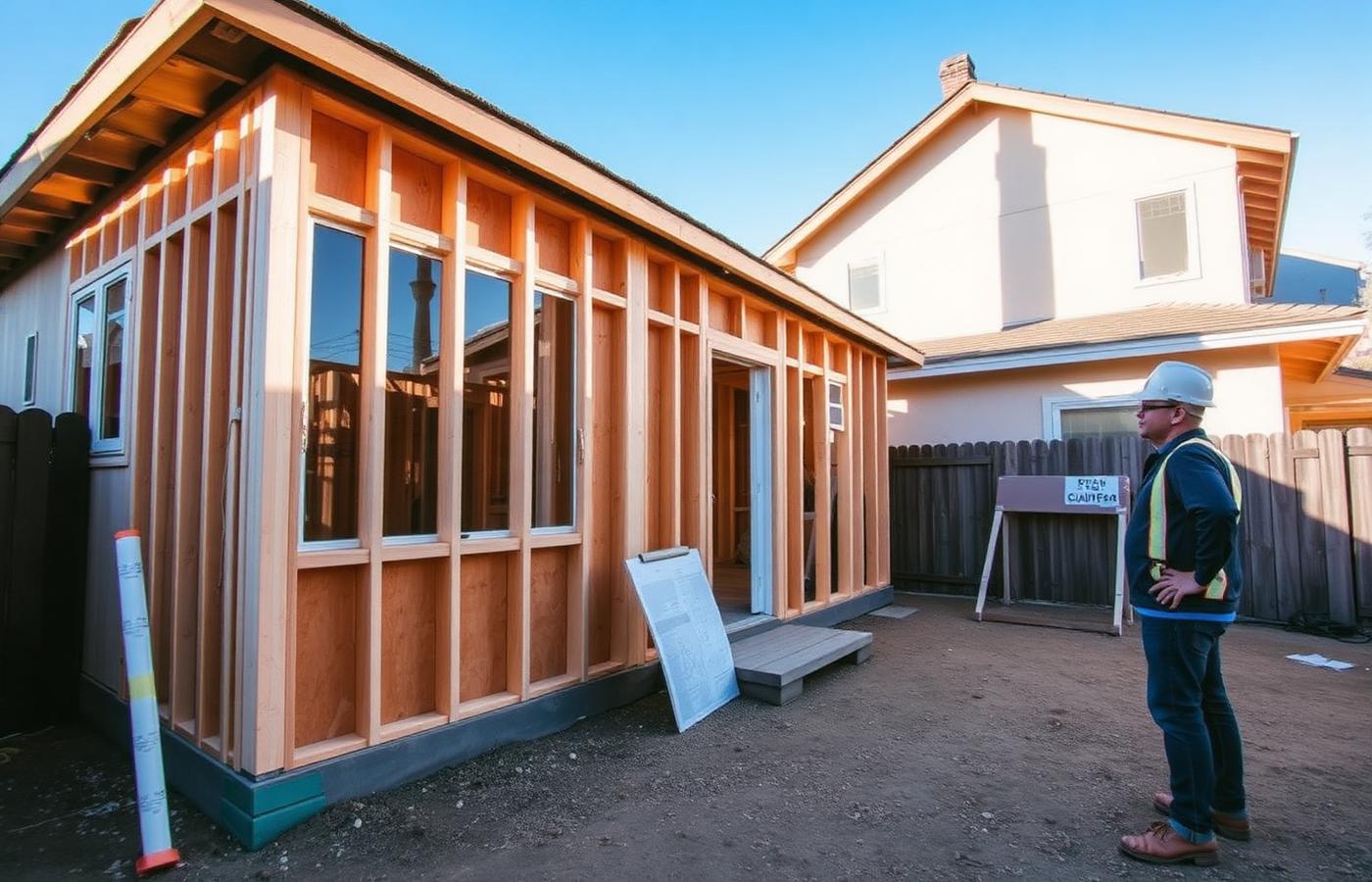
The math most owners never run
Take a typical detached ADU of roughly 700 square feet in the San Gabriel Valley or Inland Empire:
At an all-in build cost near $250,000 and market rent near $1,900 per month, gross annual rent is roughly $22,800. After vacancy, maintenance, insurance, and management, net operating income often lands between $15,000 and $17,500. That is a 6% to 7% return on cost before any appreciation, and before the appraised-value increase the unit creates on day one.
Three benefits that do not show up in a spreadsheet
Flexibility. An ADU can house a rent-paying tenant this year, an aging parent in five years, and an adult child after that. Very few investments change roles that easily.
Diversified vacancy risk. A single-family rental is either 100% occupied or 100% vacant. A property with a house and an ADU almost never goes to zero income.
Exit optionality. Buyers pay a premium for a property that comes with income attached, especially first-time buyers who need help covering a payment.
What actually goes wrong
ADU projects fail for predictable reasons: underestimating utility upgrades, choosing a builder who bids with vague allowances instead of line items, ignoring plan-check timelines, and building a unit the local rental market does not want. Every one of those is avoidable with an honest feasibility review before design starts.
Who should not build one
If the lot has no realistic access, if the sewer or panel upgrades push the budget past what local rents support, or if you plan to sell within two years, the numbers usually do not work. A good contractor tells you that before you spend money on plans.
The Bright Path approach
We walk the property, tell you what can legally be built, produce a line-item bid rather than an allowance-heavy estimate, manage plan check, and build. Because we also manage rentals across Southern California, we can tell you what the finished unit will actually rent for — and lease it the week it passes final inspection.
See our construction and ADU services or request a construction bid and we will come out and give you a straight answer.