
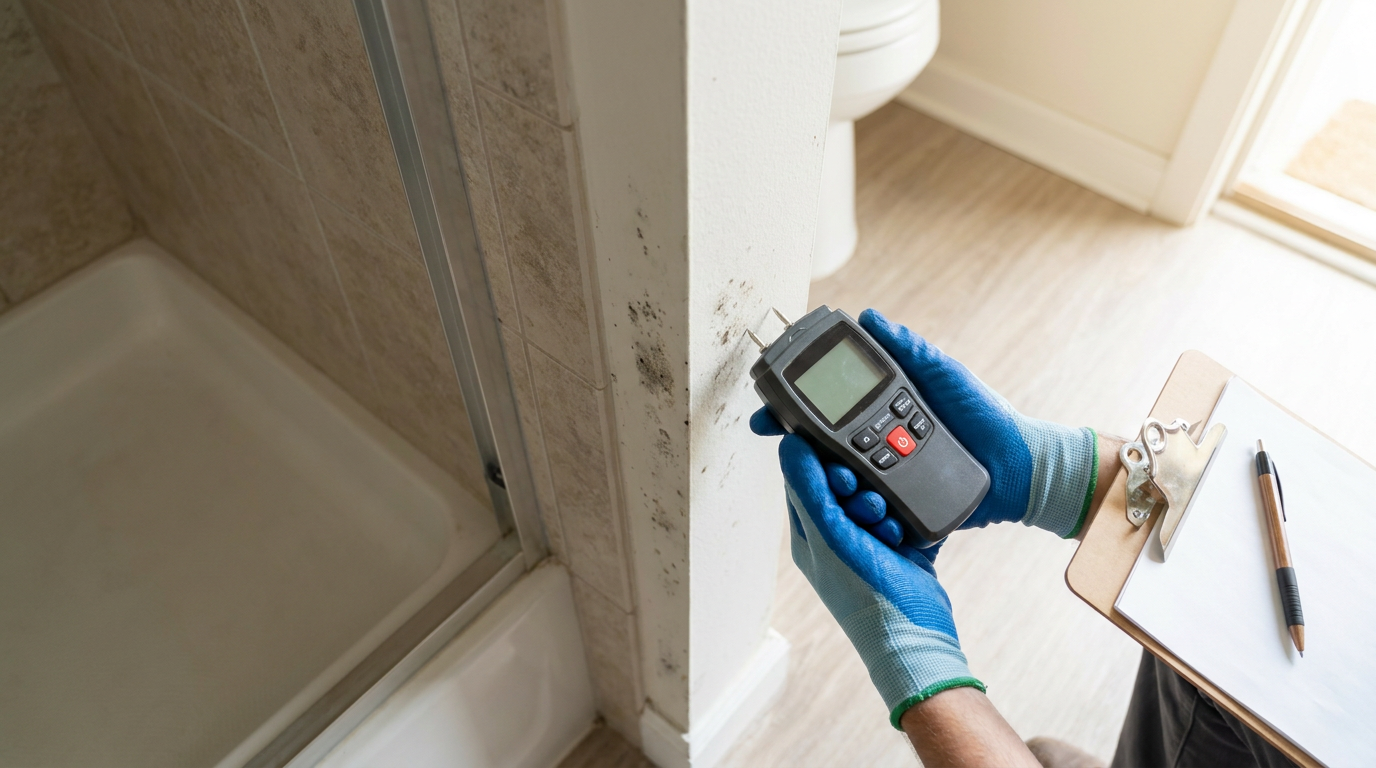
Under California law, determining who is responsible for mold in a rental property depends entirely on the root cause of the moisture problem. Landlords are legally obligated to remediate mold caused by structural defects, plumbing failures, roof leaks, or inadequate built-in ventilation under California Civil Code Section 1941.1 and California Health and Safety Code Section 17920.3. Conversely, tenants are responsible for mold growth resulting from improper housekeeping, failure to run bathroom ventilation fans, blocking air vents, or failing to report plumbing leaks in a timely manner.
California Mold Laws: SB 655 and the Implied Warranty of Habitability
In 2016, California enacted Senate Bill 655 (SB 655), which formally amended the state Housing Law to categorize visible mold as a official substandard housing condition. Under California Health and Safety Code Section 17920.3, if mold is present to an extent that it endangers the health or safety of occupants, the dwelling is considered uninhabitable. However, SB 655 specifically excludes mold that is minor and found on surfaces that can accumulate moisture as part of normal, typical household use, such as tile grout or shower curtains, unless caused by plumbing or building issues.
Furthermore, the Implied Warranty of Habitability under California Civil Code Section 1941.1 requires rental property owners to keep residential dwellings fit for human occupancy. This mandates maintaining effective waterproofing and weather protection of roofs and exterior walls, alongside plumbing and gas facilities maintained in good working order. When a structural or plumbing breakdown introduces excess moisture into a home in West Covina, Glendora, or Pomona, the resulting mold remediation falls squarely on the property owner.
When Is the Landlord Responsible for Mold Remediation?
A property owner is legally and financially responsible for mold cleanup and structural repairs whenever the mold is triggered by deferred maintenance or building defects. Common situations where the landlord bears full liability include:
- Plumbing Leaks: Burst pipes, slow supply line drips behind walls, failing water heaters, or leaking toilets.
- Roof and Window Deficiencies: Damaged shingles, cracked window seals, or flashing failures that allow rainwater to infiltrate walls and ceilings during winter storms.
- Structural Water Intrusion: Slab leaks, foundation seepage, or poor drainage around exterior footings.
- Faulty HVAC and Ventilation Systems: Defective bathroom exhaust fans provided by the landlord, clogged air conditioning condensate drain lines, or broken ductwork in cities like Ontario, Upland, or Rancho Cucamonga.
When a landlord receives written notice of mold stemming from these conditions, they must act promptly. California law requires landlords to repair uninhabitable conditions within a reasonable timeframe, which standard jurisprudence interprets as up to 30 days for general issues, but urgent moisture intrusion or toxic mold conditions often require professional mitigation within 24 to 72 hours to prevent severe structural damage and personal injury claims.
When Is the Tenant Responsible for Mold Removal?
Tenants also hold a legal duty under California Civil Code Section 1941.2 to maintain a clean and sanitary unit and to use electrical, plumbing, and heating fixtures properly. A tenant can be held financially responsible for mold cleanup if their action or inaction directly caused the mold growth. Common examples of tenant responsibility include:
- Unreported Leaks: Failing to inform the property owner or management company about a dripping faucet, leaking sink trap, or running toilet for weeks or months.
- Failure to Ventilate: Keeping bathroom doors closed without running installed exhaust fans during and after hot showers, causing ceiling and wall mold.
- Improper Appliance Usage: Venting portable clothes dryers indoors instead of outdoors, or placing large mattresses directly against exterior walls in humid rooms without airflow.
- Spills and Flooding: Allowing indoor plants to overflow consistently onto carpet, overflowing bathtubs or sinks, or using carpet cleaning machines without properly drying the flooring.
When tenant negligence causes mold, property owners may deduct the costs of professional remediation and surface repairs from the tenant security deposit or bill the tenant directly during lease execution.
How Microclimates Affect Mold Risk Across Southern California
Southern California encompasses diverse regional microclimates that present distinct mold challenges for property managers and owners:
- San Gabriel Valley (Covina, West Covina, Glendora, Pomona): Older housing stock often features original plumbing or older roof structures. Winter rains combined with poor attic ventilation can lead to hidden ceiling mold if inspections are neglected.
- Inland Empire (Ontario, Upland, Rancho Cucamonga, Riverside): High summer temperatures necessitate constant air conditioning. Blocked AC condensate drain lines frequently back up into attics or drywall enclosures, creating rapid mold blooms during peak summer months.
- Coachella Valley (Palm Springs): High heat and the use of evaporative cooling (swamp coolers) or high-volume AC units can cause rapid condensation inside wall cavities if ductwork is uninsulated or improperly sealed.
Best Practices for Landlords to Prevent Mold Liabilities
Property owners can mitigate financial risk and preserve their investment by establishing proactive maintenance protocols. First, provide written disclosures before lease execution regarding mold hazards and tenant reporting procedures, as required under Health and Safety Code Section 26147. Second, perform documented semi-annual property inspections to check under sinks, around water heaters, and along window sills for early signs of moisture.
Third, respond immediately to maintenance requests involving water or dampness. Partnering with professional property management services ensures that repair calls are dispatched to licensed, insured vendors who understand containment and moisture testing standards.
Resolving Mold Disputes and Safeguarding Your Investment
Handling mold concerns with transparency, clear documentation, and rapid repair protocols protects both occupant safety and real estate value. If a tenant reports mold, immediately inspect the unit, identify the moisture source, hire a certified mold remediation specialist if necessary, and keep detailed records of all communication and repairs.
Managing tenant communication, maintenance requests, and statutory compliance can be complex. To ensure your Southern California investment remains compliant and well-maintained, talk to our team at Bright Path Property Management today.
Disclaimer: The information provided in this article is for general informational purposes only and does not constitute formal legal, building inspection, or medical advice. Landlords and tenants facing severe mold disputes or complex habitability claims should consult a qualified California real estate attorney or licensed industrial hygienist.