

The rental market in 2026 is moving faster, becoming more competitive, and rewarding property managers and owners who adapt early. Outdated systems and reactive management will struggle. The landlords and managers who embrace proactive strategies, smart technology, and disciplined operations will thrive.
At Bright Path Property Management, we're built for this next phase of the market. We've identified 13 key trends that will shape the rental landscape in 2026-and what you can do right now to stay ahead.
1. AI Becomes Practical, Not a Buzzword
Artificial intelligence is no longer a futuristic promise-it's a practical tool. In 2026, AI will shift from flashy demos to everyday property management applications. Think automated tenant communications, predictive maintenance alerts, and smarter rent pricing models.
The focus isn't on replacing people-it's on anticipation and efficiency. AI helps property managers identify problems before they become emergencies and respond to tenant needs faster.
Takeaway: Ask your property manager how they're using AI to improve operations. If the answer is "we're not," that's a red flag.

2. Subscription-Based Service Models Grow
More property owners are gravitating toward subscription-based property management models. These offer predictable monthly costs and bundled maintenance services-no surprise invoices, no hidden fees.
This model works especially well for owners who want transparency and consistency. Instead of paying per-service, you pay one flat rate that covers the essentials.
Takeaway: Evaluate whether a subscription model might offer better value than traditional percentage-based management fees.
3. Rise of Accidental Landlords
The real estate market has created a new class of property owners: accidental landlords. These are homeowners who couldn't sell their property due to market conditions and are now renting it out-often with little experience.
This group needs guidance on everything from tenant screening to lease compliance. They're not investors by trade, and they often underestimate the complexity of property management.
Takeaway: If you've become an accidental landlord, partner with a property manager who can handle the learning curve for you.
4. Preventative Maintenance Becomes the Standard
Reactive maintenance-waiting for something to break before fixing it-is expensive and stressful. In 2026, preventative maintenance will become the industry standard.
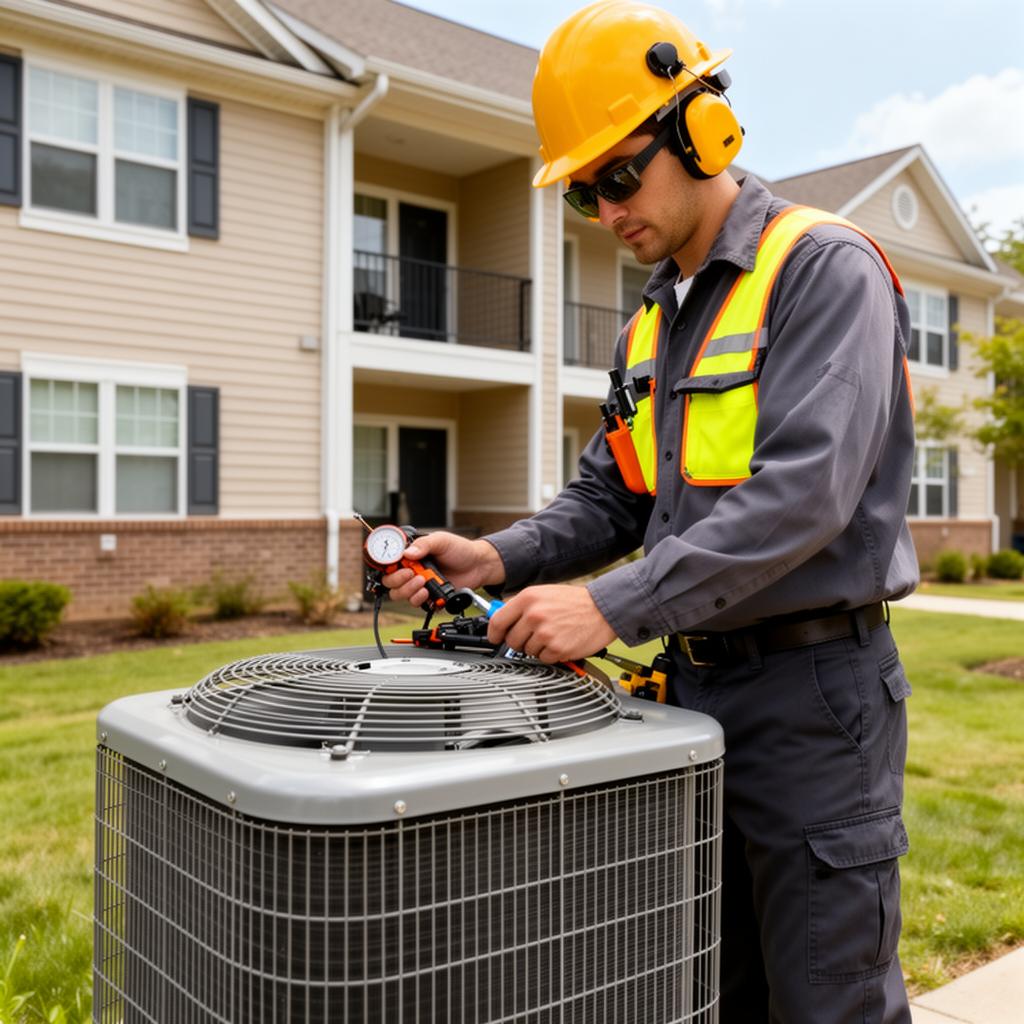
Smart property managers are scheduling regular inspections, servicing HVAC systems before summer, and replacing aging appliances before they fail. The result? Fewer emergencies, lower long-term costs, and happier tenants.
Takeaway: Insist on a preventative maintenance schedule. It costs less in the long run and reduces tenant turnover.
5. AI-Driven Rental Fraud Increases
Fraudsters are getting smarter. AI-generated documents, deepfake references, and synthetic identities are making tenant screening more challenging than ever.
Traditional screening methods aren't enough anymore. Property managers need to use advanced verification tools that can detect fabricated pay stubs, fake employer references, and manipulated credit reports.
Takeaway: Ask how your property manager verifies tenant applications. Basic credit checks aren't sufficient in 2026.
6. Costs Remain Elevated but Stabilize
Operating costs-insurance, repairs, utilities-remain higher than pre-pandemic levels. However, the wild price swings of recent years are stabilizing.
This means property owners need tighter operations and vendor discipline. The managers who negotiate better rates, bundle services, and track expenses carefully will outperform.
Takeaway: Review your operating expenses annually. Small savings on recurring costs compound over time.
7. Tenant Retention Remains Strong
Tenant retention isn't just about avoiding vacancy-it's one of the most controllable levers for growth. A long-term tenant means no turnover costs, no marketing expenses, and no lost rent.
Smart owners and managers focus on resident satisfaction: quick maintenance response, clear communication, and fair rent increases. Happy tenants stay.
Takeaway: Treat tenant retention as a growth strategy. Calculate what it costs to lose a tenant versus keeping one.
8. Quality Growth Over Fast Growth
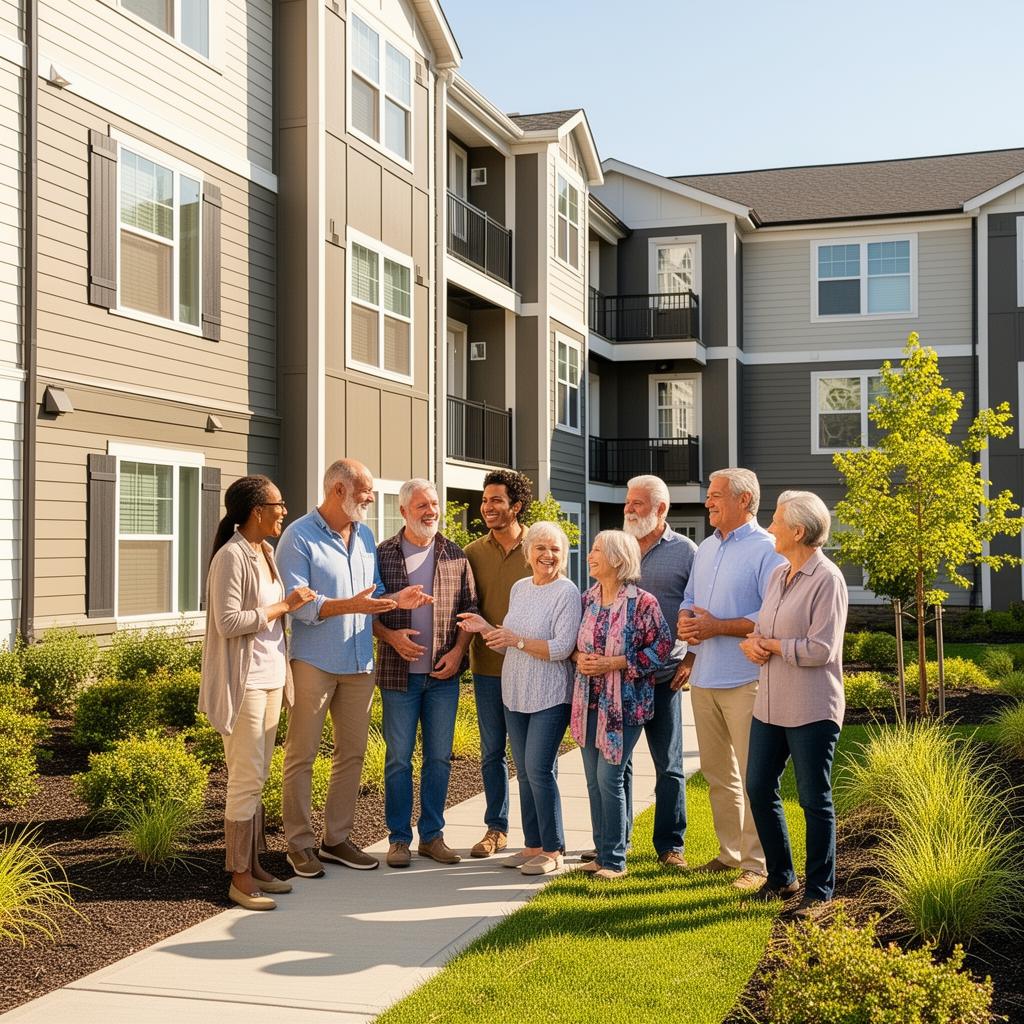
The property management industry is shifting from "more doors at any cost" to "fewer doors, better margins." Rapid expansion often leads to service quality issues, high turnover, and owner dissatisfaction.
In 2026, the best managers prioritize sustainable growth-taking on properties they can actually manage well rather than stretching thin.
Takeaway: Choose a property manager based on service quality, not just size. Smaller portfolios often mean more attention to your property.
9. Regulatory Expertise Becomes a Competitive Advantage
California landlord-tenant laws are complex and constantly changing. Security deposit rules, rent control ordinances, habitability standards-the compliance burden is significant.
Managers who stay ahead of regulatory changes protect their owners from lawsuits and penalties. Compliance confidence is a competitive advantage.
Takeaway: Ensure your property manager tracks California law changes and updates your leases accordingly.
10. Technology Becomes Non-Negotiable
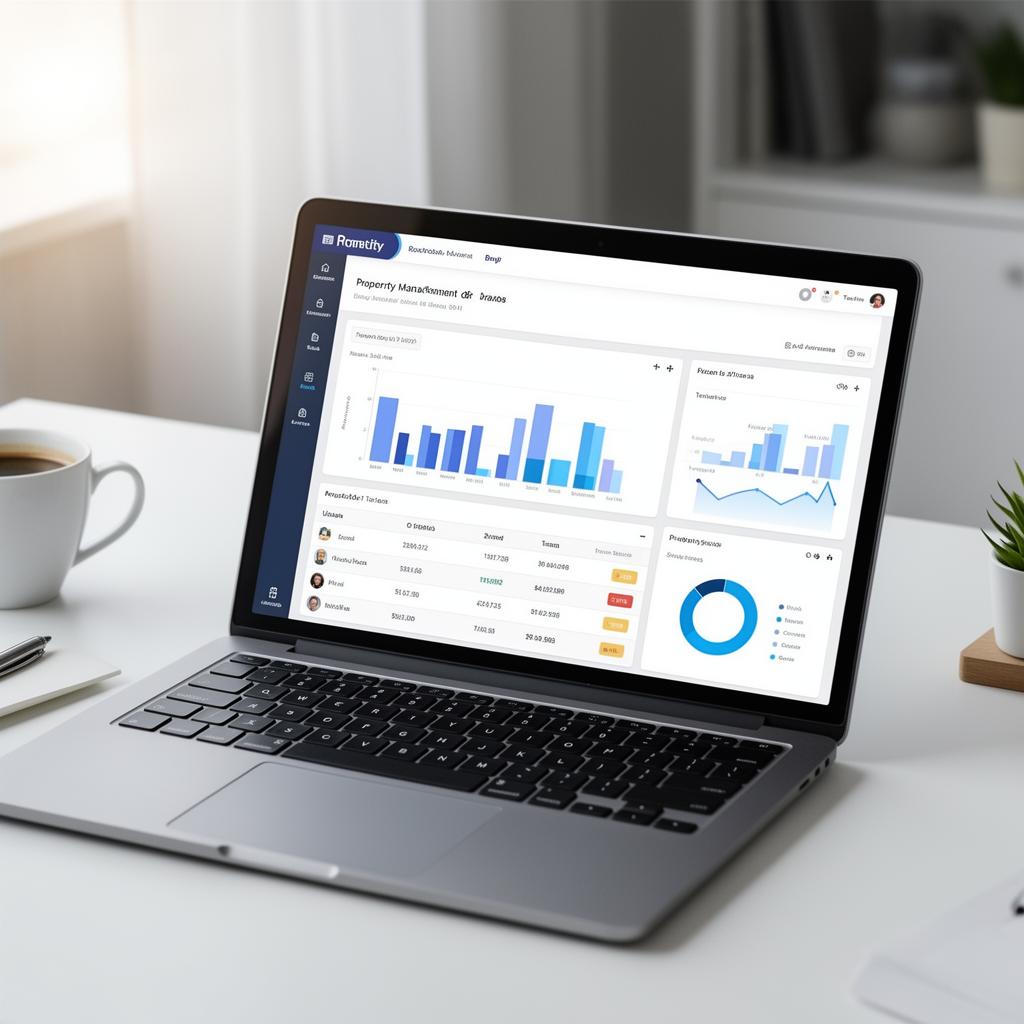
Property management software, online rent collection, digital maintenance requests-these are no longer "nice to have." They're essential.
But here's the catch: technology only works if it's fully implemented. Many managers buy software but don't use it properly. The winners in 2026 are those who integrate technology into every aspect of operations.
Takeaway: Ask your property manager to walk you through their tech stack. If they're still using spreadsheets and paper, it's time to upgrade.
11. Supply Growth Normalizes
After years of supply chain disruptions and construction delays, new rental supply is normalizing. This means less volatility and more predictable market conditions.
For property owners, this is good news. Stable supply growth reduces the dramatic rent swings of recent years and allows for better long-term planning.
Takeaway: Use this period of stability to optimize your property's performance rather than chasing market fluctuations.
12. Rent Growth Stabilizes
The double-digit rent increases of 2021-2022 are behind us. In 2026, rent growth will be modest but steady-likely in the 2-4% range in most markets.
This means owners need to focus on balance and retention. Pushing rents too aggressively can backfire, leading to vacancies that cost more than the rent increase would have gained.
Takeaway: Price your rental competitively. A 3% rent increase with a retained tenant beats a 10% increase with two months of vacancy.
13. Interest Rate Uncertainty Mid-Year
Interest rates remain unpredictable, with potential shifts in Federal Reserve policy mid-year. This affects refinancing decisions, acquisition timing, and overall investment strategy.
Property owners need strategic guidance to navigate this uncertainty. Whether to refinance, sell, or hold-these decisions require careful analysis of your specific situation.
Takeaway: Work with financial advisors and property managers who understand the broader economic picture, not just day-to-day operations.
The Bottom Line: 2026 Rewards the Prepared
The rental market in 2026 isn't for the passive or the reactive. It rewards proactive, disciplined owners and managers who embrace technology, prioritize prevention, and stay ahead of regulatory changes.
At Bright Path Property Management, we're already operating in the future of property management. Our approach combines:
- Predictive maintenance that prevents emergencies before they happen
- Smart technology that streamlines operations and improves communication
- Regulatory awareness that keeps you compliant and protected
- Hands-on service that treats your property like our own
The question isn't whether these trends will impact your rental-they will. The question is whether you'll be ahead of them or playing catch-up.
Ready to Future-Proof Your Rental Portfolio?
Let us call you with Bright Path Property Management. We'll show you exactly how to position your property for success in 2026 and beyond.
Let Us Call You