
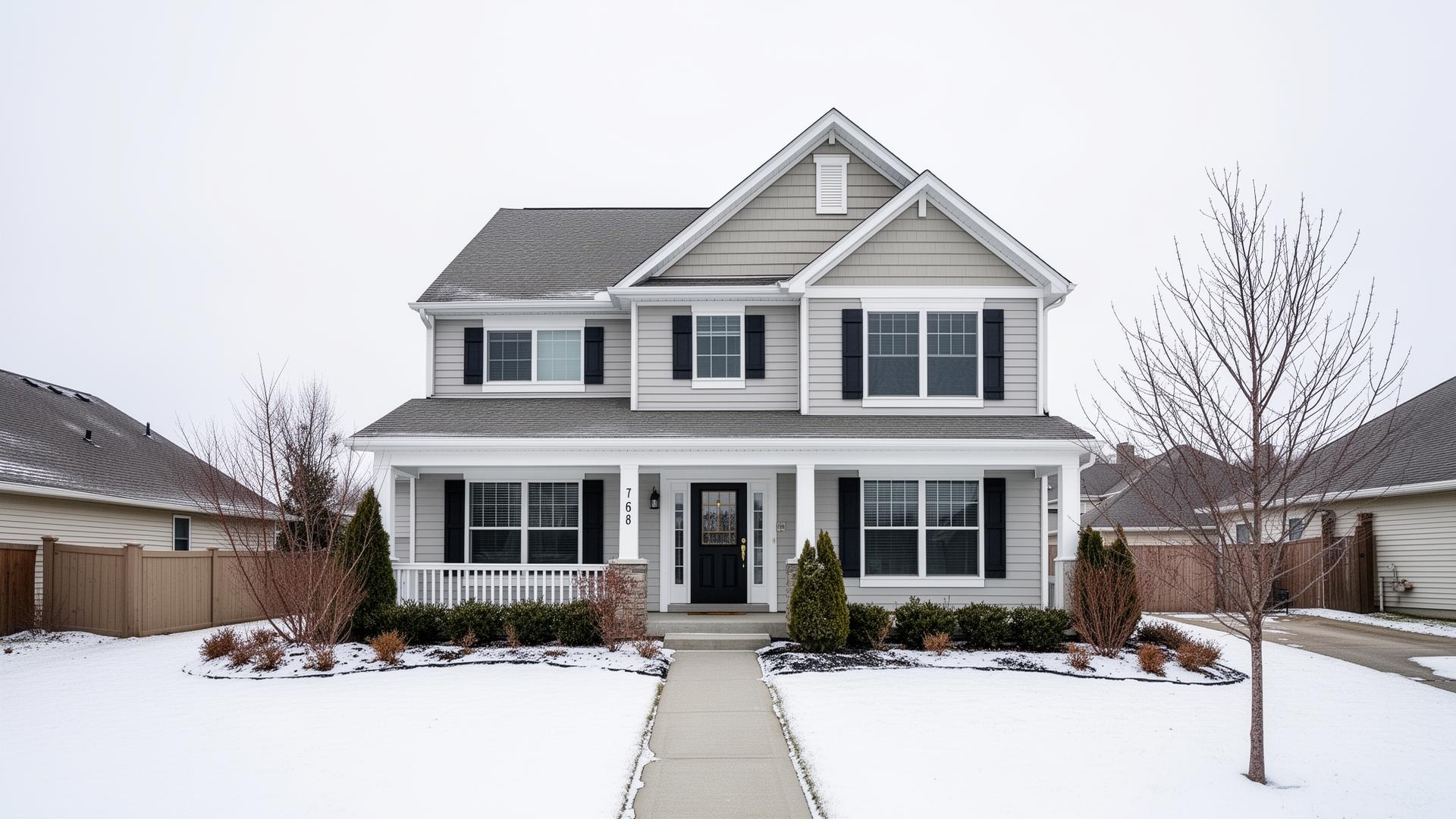
There is a quiet window in the middle of winter when most property owners stop thinking about maintenance. The holiday rush is over. The heating system seems to be working. Everything appears stable.
But this is exactly when problems are forming.
Mid-winter maintenance for rental properties is one of the most overlooked opportunities to protect your investment. Winter exposes weak points in buildings. Roofs take on weight and moisture. Pipes endure temperature stress. HVAC systems run at full capacity for weeks on end. And most costly emergencies begin as small, preventable issues that no one catches until spring.
At Bright Path Property Management, we approach this season differently. Rather than waiting for problems to announce themselves, we schedule proactive inspections and address issues while they are still manageable. This is the difference between protecting rental property in winter and simply hoping for the best.
The following guide outlines the critical areas every rental property owner should review during mid-winter and how professional property management preventative maintenance changes outcomes.
1. Why Mid-Winter Maintenance Matters for Rental Properties
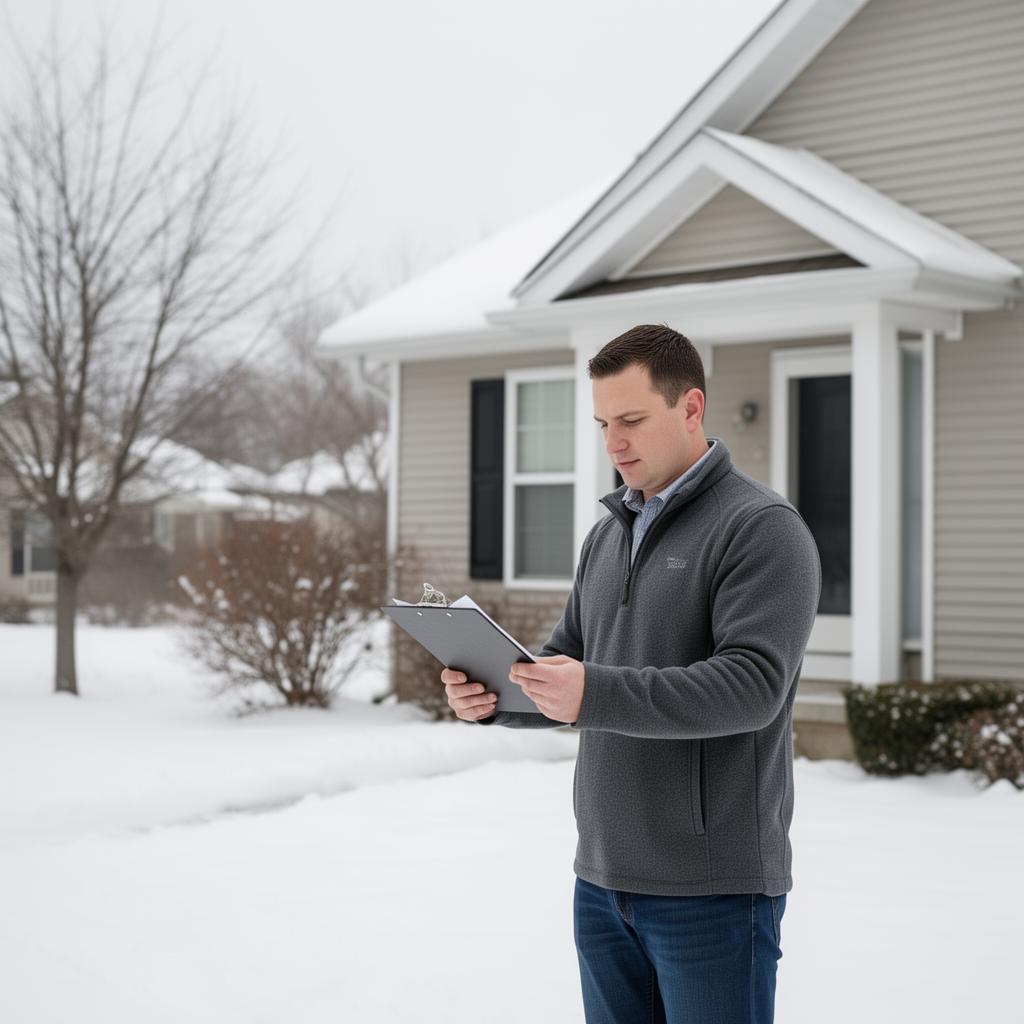
Winter is not just a season. It is a stress test for every building system.
Roofing materials contract and expand with temperature swings, creating gaps that allow water infiltration. Plumbing systems face freeze risk, especially in uninsulated areas. HVAC equipment works overtime, accelerating wear on components that may have been marginal heading into the season. And exteriors take a beating from wind, moisture, and debris.
For rental property owners, neglecting mid-winter maintenance does not just risk expensive repairs. It risks:
- Tenant disruption and turnover: When systems fail, tenants suffer. Heating outages, water damage, or unresolved comfort issues lead to complaints, lease breaks, and vacancies.
- Insurance complications: Many policies require reasonable maintenance. Damage from neglected systems may not be covered.
- Compounding repair costs: A minor roof leak becomes a structural issue. A slow drain becomes a sewer backup. Small problems ignored in January become large bills in March.
- Reduced asset value: Properties that show signs of deferred maintenance sell for less and attract lower-quality tenants.
Smart owners understand that preventing winter maintenance issues in rentals is not about spending more. It is about spending strategically, when issues are small and repairs are planned rather than reactive.
2. Exterior Checks Property Owners Should Not Skip
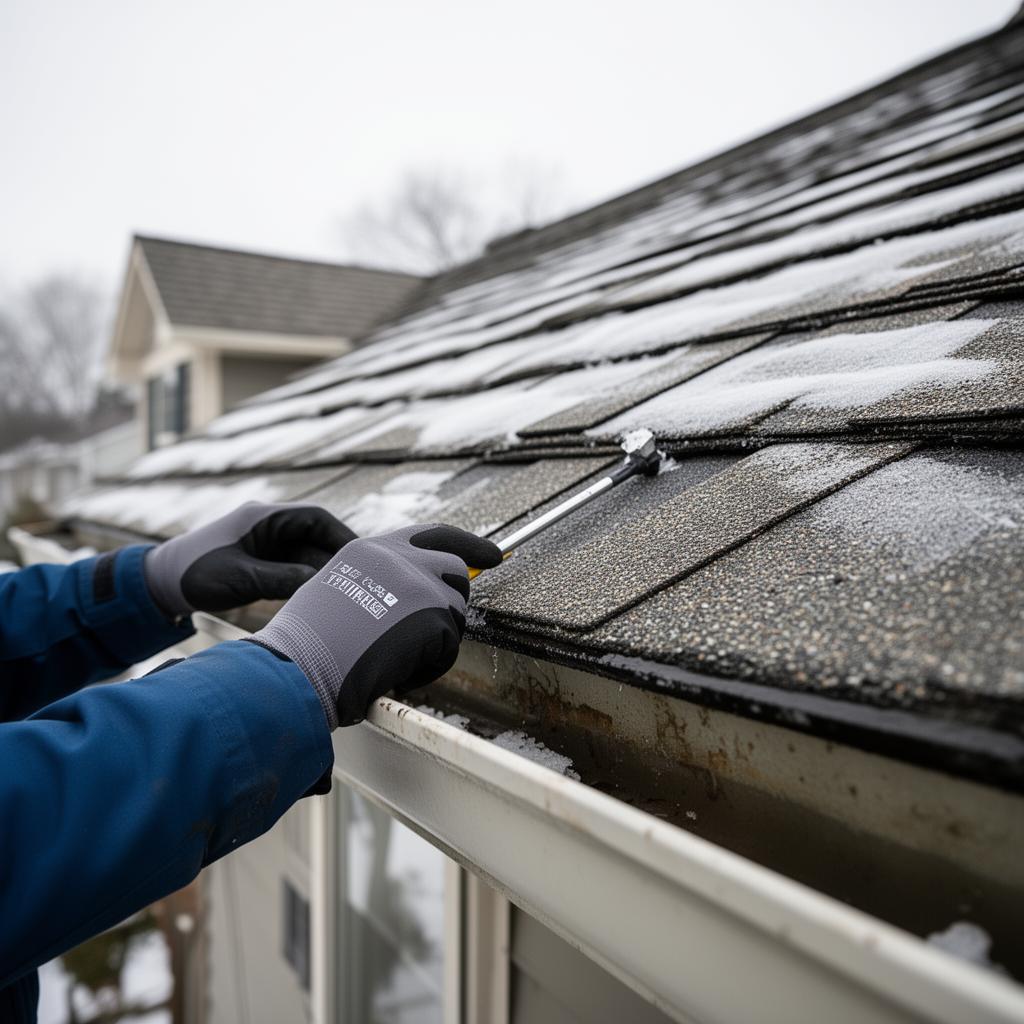
The exterior of a rental property is its first line of defense against winter weather. When that defense fails, water finds its way inside, and the damage is often invisible until it becomes severe.
Roofing
Inspect shingles for curling, cracking, or missing sections. Look for granule loss in gutters, which signals accelerated aging. Check flashing around vents, chimneys, and skylights. Even small gaps allow water infiltration that leads to attic mold and ceiling damage.
Gutters and Downspouts
Clogged gutters force water to back up under roofing materials or overflow against the foundation. Ensure gutters are clear, downspouts are directing water away from the structure, and no ice dams are forming.
Siding and Exterior Walls
Look for cracks, gaps, or loose sections in siding. These openings allow moisture and cold air to penetrate the building envelope, increasing heating costs and creating conditions for mold growth.
Windows, Doors, and Sealants
Caulk and weatherstripping degrade over time. Inspect seals around windows and exterior doors. Gaps not only increase energy costs but also allow moisture intrusion that damages frames and walls.
Foundation and Drainage
Walk the perimeter. Look for cracks in the foundation, pooling water near the structure, or areas where grading directs water toward the building rather than away from it. Foundation issues caught early are far less expensive than structural repairs.
Trees and Landscaping
Dead branches, overhanging limbs, and trees stressed by winter conditions pose risks to roofs, siding, and power lines. Schedule trimming before storms bring branches down.
3. Plumbing and Water Risk Prevention
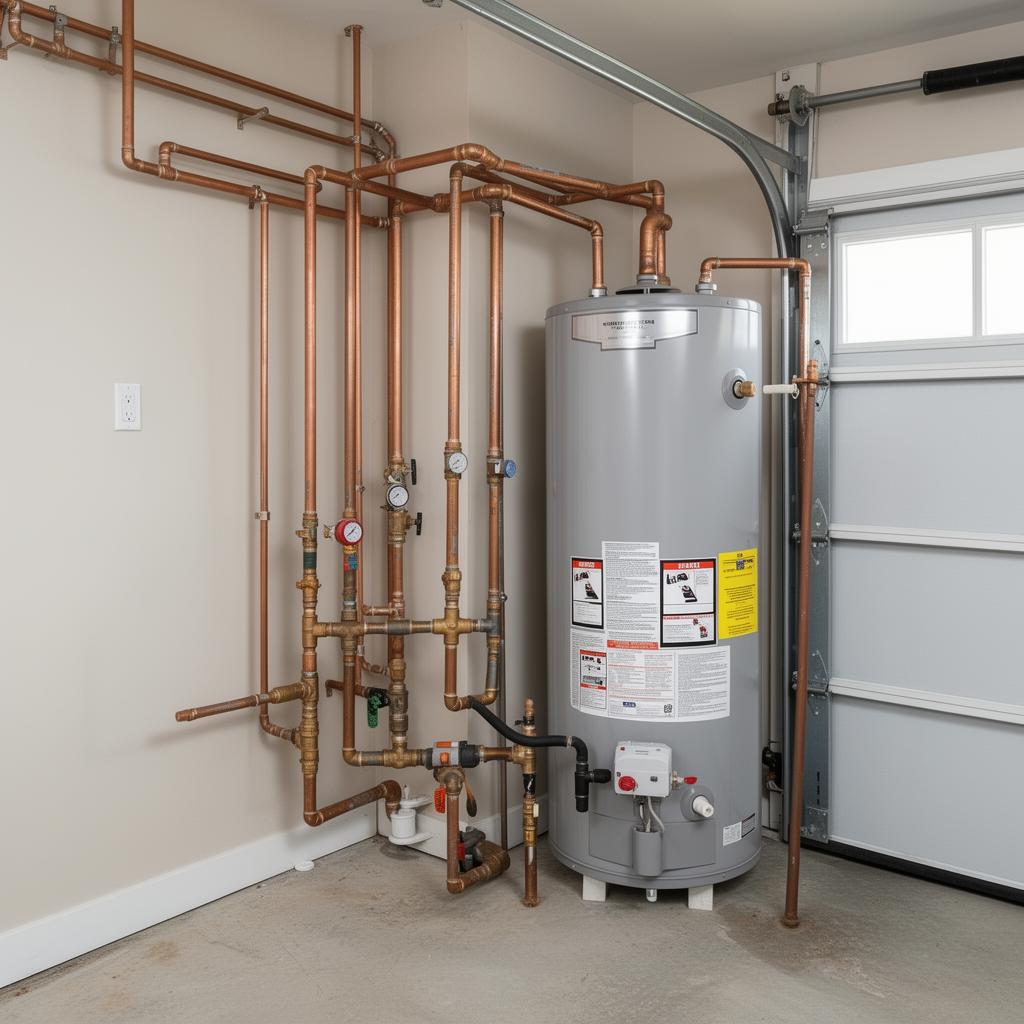
Water damage is one of the most expensive categories of winter failures for rental property owners. Burst pipes, failed water heaters, and slow leaks cause thousands of dollars in damage, often behind walls where they go unnoticed for weeks.
Exposed and Vulnerable Pipes
Pipes in unheated areas such as garages, crawl spaces, attics, and exterior walls are at highest risk. Ensure insulation is intact. In areas prone to freezing, consider heat tape or pipe sleeves. Confirm that tenants know to keep cabinet doors open during cold snaps.
Hose Bibs and Outdoor Faucets
Exterior faucets should be shut off and drained before winter. If frost-proof bibs are installed, confirm they are functioning correctly. A frozen hose bib can crack and cause significant interior flooding when it thaws.
Water Heater Condition
Mid-winter is an excellent time to assess water heater performance. Look for signs of corrosion, sediment buildup, or slow recovery times. Water heaters typically last 8 to 12 years. Units nearing end of life are more likely to fail during high-demand periods.
Slow Drains and Pressure Issues
Sluggish drains indicate partial blockages that can become complete failures. Low water pressure may signal supply line issues. Address these symptoms before they escalate to emergency calls.
Water Shutoff Accessibility
Confirm that the main water shutoff valve is accessible and functional. In an emergency, the ability to quickly stop water flow is the difference between a minor incident and a catastrophic loss.
4. Heating, Ventilation, and Indoor Systems
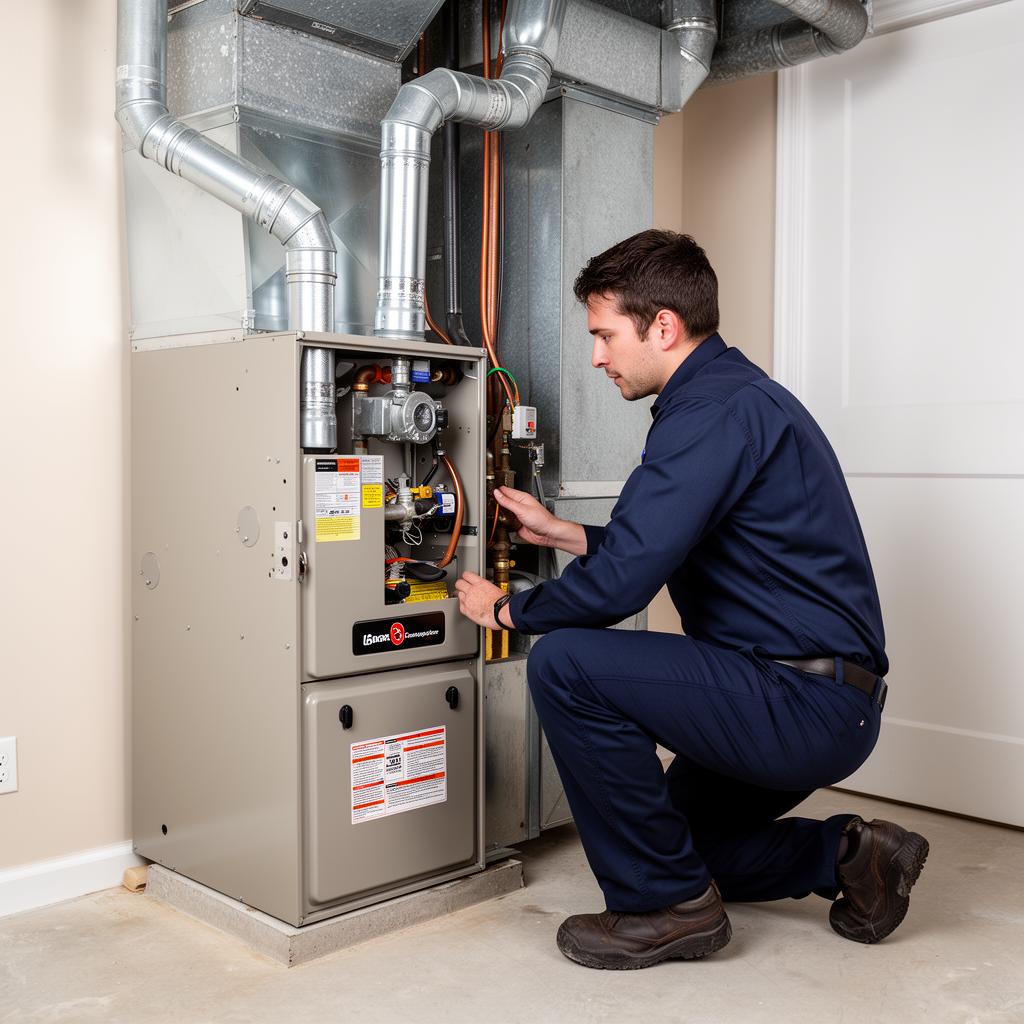
Heating systems work harder during winter than any other time of year. A furnace that seemed adequate in November may be struggling by February. Proactive HVAC attention protects tenant comfort, ensures habitability compliance, and prevents mid-season failures.
Furnace Performance
Listen for unusual sounds such as banging, rattling, or cycling on and off frequently. These indicate worn components, airflow restrictions, or thermostat issues. A furnace inspection by a qualified technician can identify problems before they cause a no-heat emergency.
Filter Replacement
Clogged filters restrict airflow, forcing the system to work harder and increasing energy costs. More importantly, restricted airflow causes heat exchangers to overheat, which can trigger safety shutoffs or cause cracks that release carbon monoxide. Replace filters monthly during heavy-use periods.
Thermostat Accuracy
Verify that thermostats are reading correctly and maintaining consistent temperatures. Inaccurate thermostats lead to tenant complaints, increased energy use, and uneven heating that stresses equipment.
Ventilation and Exhaust
Bathrooms and kitchens require functional exhaust fans to remove moisture. Excess humidity in winter leads to condensation, mold, and indoor air quality issues. Confirm that exhaust systems are working and venting to the exterior.
Smoke and Carbon Monoxide Detectors
Winter is the highest-risk season for carbon monoxide incidents due to continuous heating system operation. Test all smoke and carbon monoxide detectors. Replace batteries and units as required by California law. This is not only a safety issue but a habitability and liability concern.
5. Interior Wear, Moisture, and Tenant Comfort
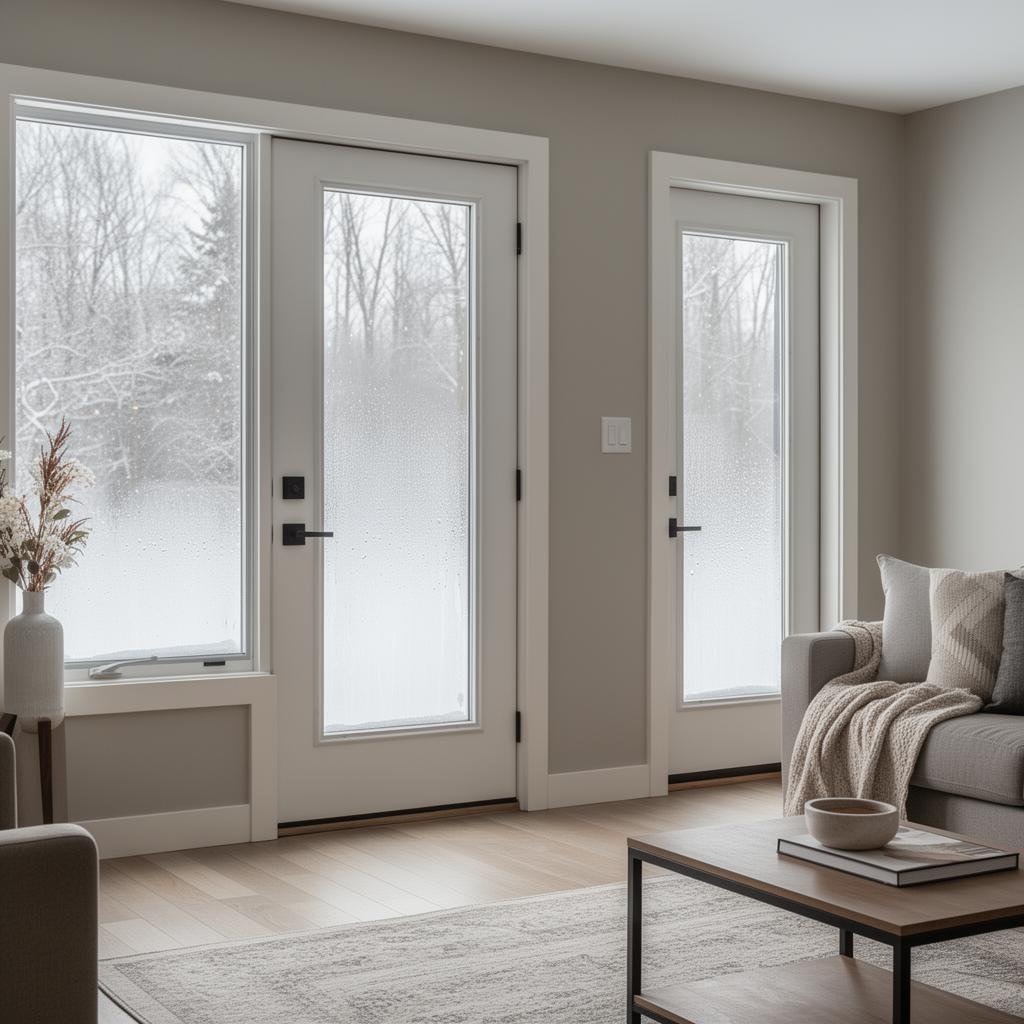
Interior conditions during winter reveal how well a property is sealed, insulated, and maintained. Issues that tenants may not report, such as condensation, drafts, or minor leaks, can cause long-term damage to finishes and structure.
Window and Door Condensation
Excessive condensation on interior glass surfaces indicates high humidity, poor ventilation, or inadequate insulation. Over time, this moisture damages window frames, sills, and surrounding drywall. Identify the source and improve ventilation or seal performance.
Window and Door Seals
Drafts around windows and doors increase heating costs and reduce tenant comfort. Inspect weatherstripping and caulk. Replacements are inexpensive and make an immediate difference in comfort and efficiency.
Drywall and Paint Condition
Look for cracks, bubbling, or staining on walls and ceilings. These often indicate water intrusion or temperature-related structural movement. Identifying the cause early prevents larger repairs.
Flooring Issues
Warped or buckling flooring may indicate moisture problems from below, such as slab leaks or crawl space humidity. Soft spots near bathrooms or kitchens can signal slow leaks that need attention.
Tenant Communication
Tenants are often the first to notice subtle changes such as musty smells, cold spots, or slow drains. However, they may not report issues unless asked. Regular check-ins and clear communication channels encourage early reporting before small problems become major repairs.
6. How Professional Management Changes the Outcome

There is a reason some rental properties coast through winter without incident while others face emergency after emergency. The difference is not luck. It is systems.
Professional property management preventative maintenance transforms how issues are discovered and addressed:
Scheduled Inspections
Rather than waiting for tenant complaints, professional managers schedule seasonal inspections that catch problems early. A 30-minute walkthrough in January can identify issues that would cost thousands to repair in March.
Vendor Coordination
Experienced managers maintain relationships with reliable contractors who respond quickly and quote fairly. When something does need repair, the response is immediate rather than scrambling to find help during a crisis.
Condition Documentation
Systematic documentation of property condition creates a record that protects owners during insurance claims, security deposit disputes, and capital planning decisions. Photos and notes from each inspection provide evidence of proper maintenance.
Tenant Communication
Professional managers communicate with tenants about winter precautions, such as keeping heat on, opening cabinet doors during cold snaps, and reporting issues promptly. This reduces preventable damage and builds trust.
Emergency Response
When emergencies do occur, professional management means 24/7 response, immediate vendor dispatch, and clear communication with both tenants and owners. The goal is to minimize damage and restore normal operations quickly.
At Bright Path, we view every property as a long-term asset. Our job is not just to collect rent but to protect the investment. That means proactive oversight rather than reactive repairs.
7. Mid-Winter Maintenance Checklist for Owners
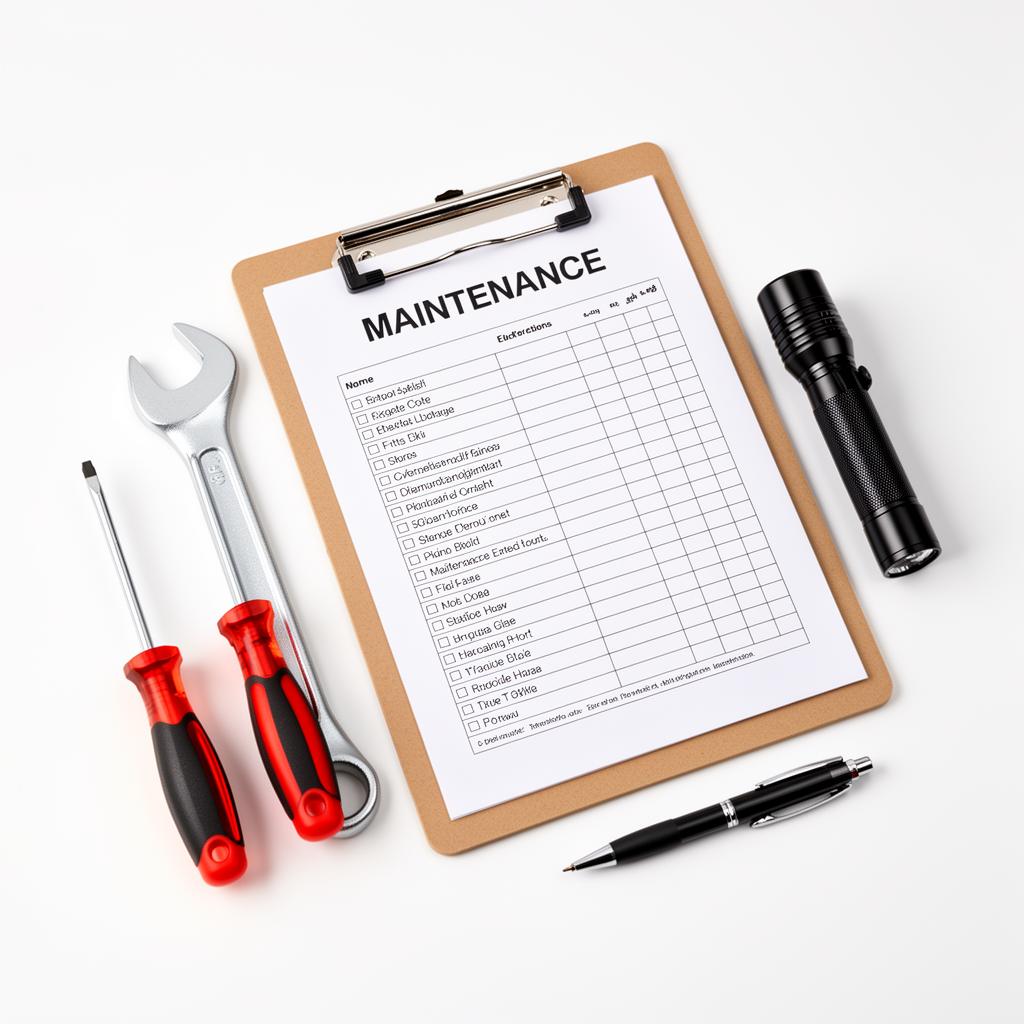
Use this rental property maintenance checklist to ensure nothing is missed during mid-winter:
Exterior Systems
- Roof inspection for damage, missing shingles, and flashing integrity
- Gutter cleaning and downspout verification
- Siding, caulk, and weatherstripping assessment
- Foundation and drainage review
- Tree and landscape hazard evaluation
Plumbing and Water
- Exposed pipe insulation check
- Water heater inspection and sediment flush
- Drain performance and pressure testing
- Hose bib and outdoor faucet verification
- Main shutoff valve accessibility and function
HVAC and Indoor Air
- Furnace inspection and filter replacement
- Thermostat calibration check
- Exhaust fan operation verification
- Smoke and carbon monoxide detector testing
Interior Condition
- Window and door seal inspection
- Condensation and moisture evaluation
- Drywall, paint, and ceiling review
- Flooring condition assessment
- Tenant communication and feedback collection
A Smarter Way to Get Through Winter
Mid-winter is the best time to prevent spring repair bills. The issues that create emergencies in March and April are forming right now. The roof leak that ruins a ceiling. The pipe that bursts when temperatures drop. The furnace that fails on the coldest night of the year.
These are not random events. They are predictable consequences of deferred maintenance.
Bright Path Property Management takes a systems-driven approach to protecting rental property in winter. We schedule inspections, coordinate vendors, document conditions, and communicate with tenants. We identify problems when they are small and fix them before they become expensive.
That is the difference between reacting to problems and preventing them.
Proactive Oversight. Protected Investments.
Bright Path Property Management helps owners stay ahead of seasonal issues before they become expensive problems. If you want proactive oversight rather than reactive repairs, we are here to help.
Let Us Call You