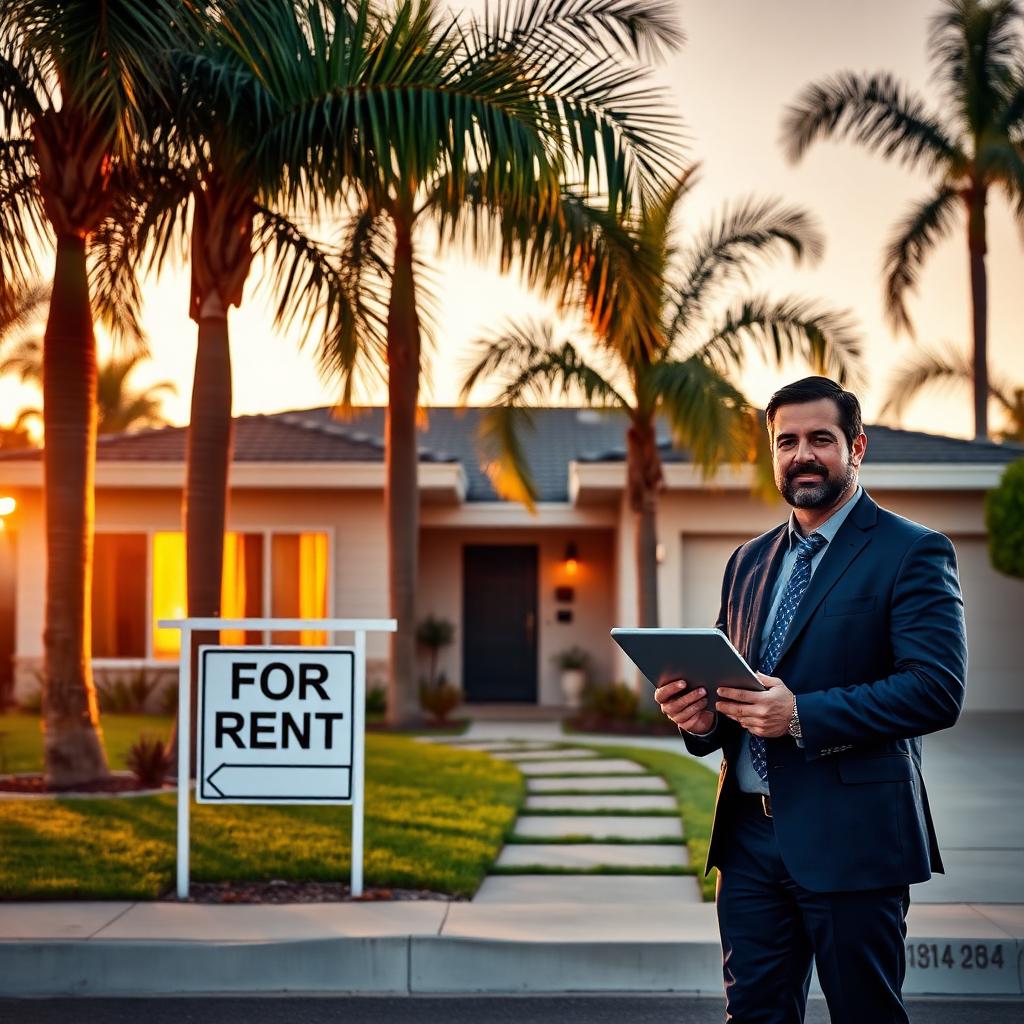
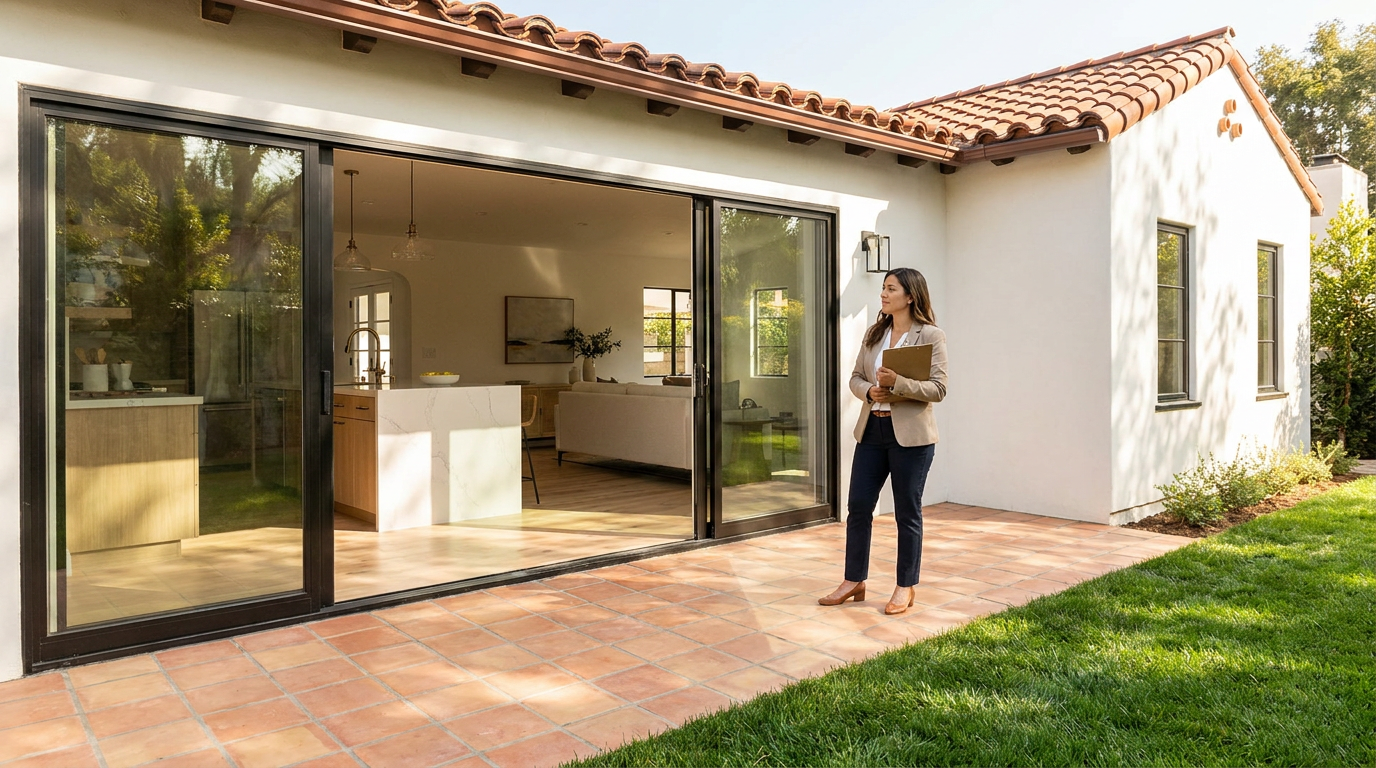
To determine how much rent you can charge for your house in California, you must balance real-time market demand against state and local housing regulations. For a new tenancy on a vacant single-family home, California law generally allows landlords to set the initial rent at whatever rate the open market will bear, provided the property complies with local municipal rules and state emergency anti-price gouging laws. However, calculating the optimal price point requires a precise hyper-local market analysis rather than relying on automated online estimate tools.
The Methodology: How to Calculate Your Home's Market Rent
Setting the optimal rental rate requires analyzing real-time local supply and demand dynamics. Asking too much leads to prolonged vacancies that quickly erase your annual profit margins, while underpricing leaves thousands of dollars on the table.
1. Gather 3 to 5 Hyper-Local Comparable Properties (Comps)
Look for single-family homes within a 0.5 to 1-mile radius of your property that have been successfully leased within the last 60 to 90 days. Focus on active listings to understand your current direct competition, but rely primarily on verified closed lease transactions to see what tenants actually paid. Compare properties with the exact same bedroom and bathroom count, similar square footage, and comparable lot sizes.
2. Adjust for Property Upgrades and Amenities
Not all square footage is valued equally by tenants in Southern California. Adjust your base rental figure upward or downward for specific home features:
- HVAC and Climate Control: Central air conditioning is a non-negotiable requirement for premium pricing across the Inland Empire and Coachella Valley, adding $150 to $300 or more per month compared to homes relying on evaporative coolers or window units.
- Kitchen and Bath Renovations: Modern quartz or granite countertops, stainless steel appliances, and updated cabinetry can command a 5% to 10% premium over original vintage finishes.
- Parking and Outdoor Space: A private two-car garage, gated RV parking, or a well-maintained yard adds substantial monthly value in suburban neighborhoods.
- Pools and Solar Systems: Homes with private swimming pools in warm inland markets attract higher base rents, though landlords must factor in monthly pool service maintenance. Solar panels can justify higher rent if utility savings are clearly demonstrated to prospective tenants.
California Legal Framework: Rent Control and AB 1482 Limits
Understanding state housing statutes is essential before listing your house for lease. California's Tenant Protection Act of 2019 (AB 1482) impacts how landlords can adjust pricing over time.
Initial Rent vs. Existing Tenancies
Under vacancy decontrol principles, when a single-family home is vacant, you can establish the new starting rent at fair market value for a new tenant. However, once that tenant occupies the home, future annual rent increases are capped under AB 1482 at 5% plus the regional Consumer Price Index (CPI), up to a maximum strict limit of 10% total over any 12-month period.
The Single-Family Home Exemption
Most single-family detached homes and condominiums are exempt from AB 1482 rent increase limits and just-cause eviction provisions, but only if specific statutory criteria are met:
- The property title is held by an individual, a trust, or a business entity that is NOT a real estate investment trust (REIT), a corporation, or a multi-member LLC with corporate members.
- The tenant has been provided a specific written notice of exemption directly in the lease agreement using mandatory statutory language under Civil Code Section 1946.2.
If your rental agreement fails to include this mandatory legal exemption notice prior to occupancy, your single-family house automatically loses its statutory exemption, locking you into state rent control caps.
Anti-Price Gouging Restrictions (Penal Code 396)
During a formally declared state of emergency issued by the Governor or local officials—such as active wildfire emergencies or flood declarations—California Penal Code Section 396 prohibits housing providers from increasing rental prices by more than 10% above market rate prior to the emergency announcement.
Regional Rent Benchmarks Across Southern California
Rental pricing varies widely depending on your specific Southern California micro-market. Here is a breakdown of realistic single-family home rent expectations across Bright Path Property Management's primary service regions:
San Gabriel Valley (SGV)
In mid-to-east San Gabriel Valley communities like Covina, West Covina, Glendora, and Pomona, strong school districts and convenient commuter access to Los Angeles drive steady single-family home demand.
- Covina and West Covina: Standard 3-bedroom, 2-bathroom single-family homes typically command between $3,200 and $3,900 per month.
- Glendora: Upgraded foothill residences in top-performing school boundaries frequently range from $3,600 to $4,500 per month.
- Pomona: Entry-level single-family detached rentals average between $2,800 and $3,400 per month depending on neighborhood pockets.
Inland Empire (IE)
The Inland Empire continues to see strong rental housing demand driven by local job growth and suburban space demands across San Bernardino and Riverside counties.
- Rancho Cucamonga and Upland: Modern 3 to 4-bedroom single-family residences rent between $3,300 and $4,200 per month.
- Ontario: Newer construction single-family homes in master-planned communities range from $3,100 to $3,800 per month.
- Riverside: Single-family neighborhood homes average between $2,900 and $3,700 per month depending on proximity to university corridors and downtown.
Coachella Valley
The desert region demands a clear strategy that accounts for climate factors and local municipal restrictions regarding rental housing.
- Palm Springs and Surrounding Desert Cities: Unfurnished, long-term 3-bedroom single-family rental homes with private pools generally range from $3,200 to $4,500 per month on annual leases.
The Financial Risk of Overpricing Your Rental Home
Overpricing a rental unit is one of the most expensive mistakes an owner can make. Listing a house for $200 over market value can easily cause 45 to 60 extra days of vacancy. On a home with a fair market value of $3,500 per month, two months of vacancy results in $7,000 in lost income. By setting rent at $3,500 from day one, you secure a qualified tenant quickly and preserve your annual yield.
Optimize Your Rental Pricing with Local Experts
Accurate rental pricing requires analyzing micro-market comps, understanding seasonal marketing windows, and executing fully compliant lease documentation. To protect your investment asset and maximize net income, partner with experienced local professionals. Explore our property management services or talk to our team at Bright Path Property Management today for a customized rental value analysis for your home.
Disclaimer: The information provided in this article is for general educational purposes only and does not constitute formal legal, financial, or tax advice. California land use statutes and local rent ordinances change frequently. Property owners should consult with a qualified real estate attorney or licensed property management professional before finalizing lease agreements or setting rental pricing.