
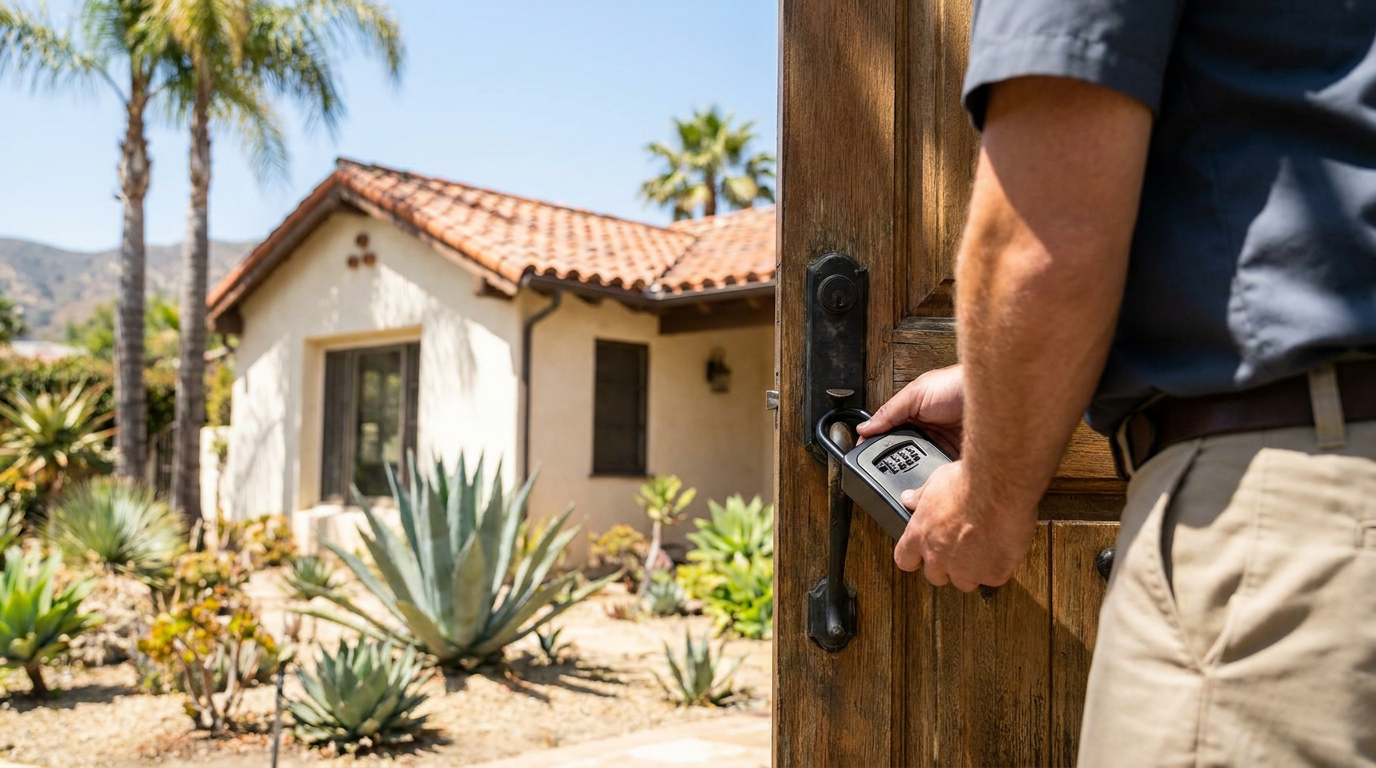
Discovering an unauthorized occupant inside your vacant rental property is one of the most stressful scenarios a Southern California real estate investor can face. Whether your property is between tenants in Covina, undergoing renovations in Rancho Cucamonga, or sitting vacant during an estate transition in Palm Springs, swift and legally compliant action is crucial. In California, handling squatter rights in California vacant property requires understanding the strict boundaries between civil tenancy disputes and criminal trespass so you can protect your financial investment without violating state law.
Squatter vs. Trespasser: Understanding California Law
To address an unauthorized occupant effectively, property owners must first recognize how law enforcement and California courts classify individuals on your premises. A trespasser is someone who enters a property without consent and without any claim of right or prior agreement. Under California Penal Code Section 602, law enforcement officers can typically remove a simple trespasser immediately if the property is properly secured and designated with clear No Trespassing signage or if the owner has filed a active Letter of Agency (602 PC form) with the local police department.
A squatter, however, often presents a fraudulent lease, fake utility bills, or claims an oral tenancy agreement with a former occupant or landlord. Once an individual claims occupancy rights, law enforcement agencies—including the Los Angeles County Sheriff, San Bernardino County Sheriff, and Riverside County Sheriff—will usually designate the situation as a civil matter. At that point, police officers will decline to remove the occupant on the spot, instructing the property owner to resolve the issue through the California Superior Court system.
The Risks of Adverse Possession under CCP § 325
Investors frequently ask about adverse possession, commonly referred to as squatter rights. Under California Code of Civil Procedure Section 325, a squatter can potentially gain legal title to a property through adverse possession, but the statutory criteria are demanding. To establish a valid claim, the squatter must prove five key elements over a continuous five-year period:
- Hostile Possession: Occupying the property without permission from the legal owner.
- Actual Occupancy: Living on the premises and maintaining or improving the property.
- Open and Notorious Use: Occupying the home visibly so that the community and owner could reasonably observe the presence.
- Continuous 5-Year Term: Maintaining uninterrupted occupancy for five consecutive years.
- Payment of Property Taxes: Paying all state, county, and local property taxes levied on the parcel throughout the entire five-year duration.
While adverse possession claims are rare due to the strict tax payment requirement, allowing an unauthorized occupant to remain for even a few weeks creates severe property damage risks, code enforcement fines, municipal nuisance citations, and substantial legal bills.
Lawful Procedures to Remove a Squatter in Southern California
California strict anti-self-help laws under California Civil Code Section 789.3 make it illegal for property owners to change locks, shut off utilities, remove doors, or physically eject occupants themselves. Attempting self-help eviction can result in actual damages, statutory penalties up to $100 per day, and potential civil liability. Instead, real estate owners must follow a formal judicial process.
1. File a Police Report and Request a Trespass Assessment
Contact your local law enforcement agency immediately—whether the Covina Police Department, West Covina Police, or the appropriate county sheriff office. Provide evidence of legal ownership, such as a recorded deed or property tax statement, along with proof that the home was vacant and unleased. If the officers determine the individual is an active trespasser without a colorable claim of tenancy, they may issue a warning or make an arrest.
2. Serve a Formal Notice to Quit
If law enforcement declines immediate removal, you must initiate a civil action. You or your legal representative must serve a formal 3-Day Notice to Quit for unlawful occupancy or non-payment, or a Notice to Vacate for Unauthorized Occupants. Serving this notice correctly establishes the evidentiary foundation required by local courts, such as the Pomona Courthouse, West Covina Courthouse, or Rancho Cucamonga Courthouse.
3. File an Unlawful Detainer Lawsuit
If the occupant fails to vacate after the notice period expires, your attorney must file an Unlawful Detainer complaint under California Code of Civil Procedure Section 1166a. Once served, the occupant typically has 5 business days to respond. If they fail to answer, you can apply for a default judgment. If they contest the lawsuit, the court will schedule a trial date, usually within 20 days of the request.
4. Obtain a Writ of Possession and Sheriff Lockout
After winning your court judgment, the court clerk issues a Writ of Possession. You must deliver this writ to the county sheriff department civil division. The sheriff will post a 5-day Notice to Vacate on the front door. If the squatter remains after five days, sheriff deputies will physically clear the property and restore possession to you. The entire process generally takes between 45 and 90 days depending on court caseloads across Los Angeles, San Bernardino, and Riverside counties.
Proven Strategies to Prevent Squatters in Vacant Homes
Preventing unauthorized access is vastly less expensive than litigating an unlawful detainer. Property owners with vacant single-family homes or multi-family units in Glendora, Pomona, Ontario, or Upland should implement robust protective measures:
- File a 602 PC Letter of Agency: Many Southern California cities allow owners to keep an active Letter of Agency on file with police departments, granting officers advance authority to enforce trespass laws on vacant private land.
- Install Smart Security and Camera Systems: Deploy battery-operated or cellular security systems with motion alerts to catch intruders before they establish residency.
- Maintain Regular Physical Inspections: Inspect vacant sites weekly. Overgrown lawns and accumulated mail signal to squatters that a house is unmonitored.
- Secure All Entry Points: Replace deadbolts, secure sliding doors with reinforced bars, and install window locks.
- Avoid Publicizing Vacancy Details: When advertising rentals online, never broadcast that a home is currently empty without secure access controls in place during leasing activities like rigorous tenant screening and professional Lease Execution.
Protecting Your Rental Assets with Professional Oversight
Managing vacant properties across the San Gabriel Valley, Inland Empire, and Coachella Valley requires constant vigilence and localized legal compliance. Partnering with experienced property managers ensures your assets are monitored, well-maintained, and continuously occupied by screened, qualified residents. Utilizing comprehensive property management services minimizes vacancy turnaround time and eliminates the security gaps squatters exploit.
If you suspect an unauthorized occupant is on your property or want proactive management to safeguard your real estate portfolio, talk to our team at Bright Path Property Management today. Call us at 800-325-6836 to discuss customized asset protection and leasing solutions.
Disclaimer: The information in this article is for general informational and educational purposes only and does not constitute formal legal or real estate counsel. Laws regarding tenancy, trespass, and eviction in California change frequently. Always consult a qualified California real estate attorney for legal advice concerning your specific situation.