Becoming a landlord in California requires completing specific administrative, physical, and legal setup steps to comply with state laws like AB 1482 and Civil Code 1941.1 before placing a tenant. Following a structured first time landlord checklist in California ensures your rental property meets habitability standards, utilizes required legal disclosures, and sets up efficient financial tracking from day one.
Updated October 7, 2026
1. Confirm Physical Habitability and Safety Standards
Before offering a single-family home, condo, or unit for rent, you must verify that the building meets California habitability mandates established under California Civil Code 1941.1. Physical requirements include operational weatherproofing on roofs and exterior walls, functional plumbing and gas facilities conforming to law, hot and cold running water connected to an approved sewage disposal system, and effective heating facilities.
Additionally, state safety codes dictate key installation requirements:
- Smoke and Carbon Monoxide Detectors: Install operable smoke alarms in every bedroom and key hallway, alongside carbon monoxide devices on every floor level as outlined in Health and Safety Code 17926.
- Deadbolt Locks: Civil Code 1941.3 mandates working deadbolt locks on main entry doors and locking mechanisms on operable windows.
- Electrical Systems: Ensure all light fixtures, switches, and wiring meet safety standards and remain in good working order.
2. Draft a Compliant California Residential Lease Agreement
Using generic online lease templates often creates legal liability for California housing providers. Your lease must reflect current statutory rules, including disclosures mandated by state and federal laws.
Essential lease disclosures for California landlords include:
- AB 1482 Exemption or Applicability Notice: Under the California Tenant Protection Act (Civil Code 1946.2 and 1947.12), landlords must explicitly notify tenants in writing whether the property is subject to state rent cap and just cause eviction laws or exempt from them.
- Megan's Law Notice: Mandatory contractual language under Civil Code 2079.10a advising tenants of the public sex offender database.
- Bed Bug Notice: Under Civil Code 1954.603, owners must provide specific information regarding bed bug identification and reporting procedures.
- Lead-Based Paint Disclosure: Required under federal law for any residential structure constructed prior to 1978.
- Flood Hazard and Mold Disclosures: State law mandates disclosing known toxic mold issues (Civil Code 26147) and whether the property sits in a designated flood zone.
3. Set Screening Criteria in Compliance with Fair Housing Laws
Establishing consistent, non-discriminatory screening criteria protects your investment and ensures compliance with the California Fair Employment and Housing Act (FEHA). Write down your screening parameters before accepting applications, covering required income-to-rent ratios, minimum credit scores, and background check requirements.
Under California Civil Code 1950.5 (updated by AB 12), landlords cannot collect more than one month's rent as a security deposit for residential leases, regardless of whether the property is furnished or unfurnished. Ensure your financial screening and upfront deposit demands stay within this single-month cap.
4. Set Up Dedicated Financial Systems
Proper financial separation simplifies tax preparation and protects personal assets. First time landlords should execute these financial steps immediately:
- Open a dedicated rental property bank account to isolate security deposits, monthly rent receipts, and repair disbursements.
- Establish a system for tracking gross revenue and deductible operating expenses.
- Determine clear rent payment options, remembering that California Civil Code 1947.3 requires landlords to accept at least one form of payment that is neither cash nor electronic funds transfer.
5. Obtain Landlord Insurance and Local Permits
Standard homeowner insurance policies do not provide coverage once a property is occupied by a tenant. Contact an insurance carrier to transition your policy to a dedicated landlord insurance plan (DP-3 policy), providing property damage protection and broad liability coverage.
Additionally, check municipal guidelines across your property's jurisdiction. Many cities require rental housing business licenses, local tax registrations, or mandatory rental inspection enrollments before accepting tenants.
6. Perform a Detailed Move-In Condition Inspection
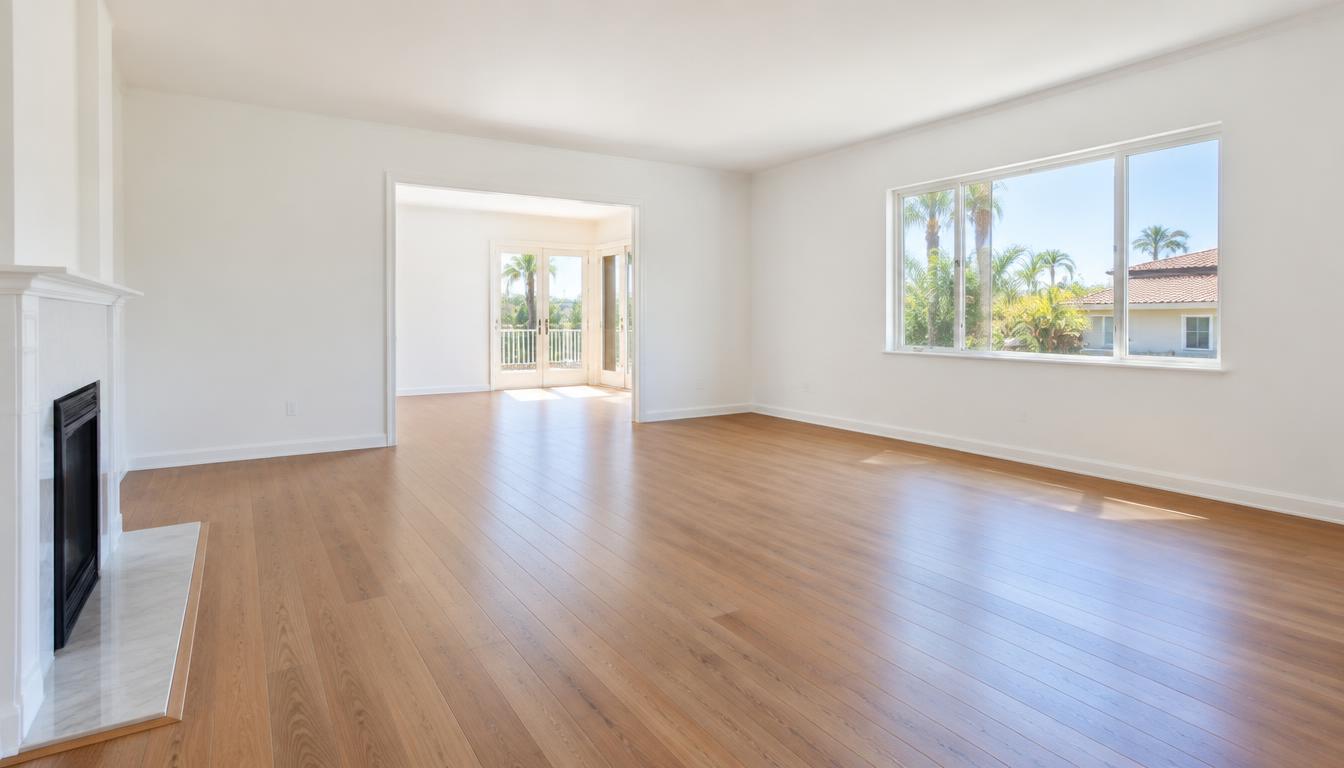
Before turning over keys, conduct a thorough walkthrough of the home. Document every room using a written move-in inspection checklist accompanied by high-resolution, time-stamped photographs and video footage. This baseline documentation serves as crucial evidence if damage disputes arise when processing security deposit itemizations at move-out.
7. Decide Between Self-Management and Professional Management
Managing a rental property involves handling tenant communications, coordinating emergency maintenance, staying current on legislative shifts, and executing administrative workflows. For many owners, partnering with a professional manager provides peace of mind and frees up time.
At Bright Path Property Management, we support property owners throughout the San Gabriel Valley, Inland Empire, Riverside County, Coachella Valley, High Desert, and the LA / north OC edge. We offer transparent pricing structures rather than traditional percentage-based fees:
- Standard Plan ($99/month): Direct management covering rent collection, owner portal accounting, and general operations.
- Plus Plan ($199/month): Includes expanded landlord protections and annual tax document preparation.
- Shield Plan ($249/month): Offers full-service coverage, including routine quarterly property inspections.
- Tenant Placement ($1,200 one-time): Complete marketing, applicant screening, and lease execution.
- Rent Ready Turnover ($299 per turnover): Complete vendor oversight to make your home market-ready.
Explore how our property management services can simplify your ownership journey, or talk to our team today to discuss your rental property strategy.
This is general information, not legal or tax advice.